
Are you ready to take your brand to the next level? Social media marketing is no longer optional; it’s essential for business growth. This comprehensive guide will provide you with a strategic roadmap to effectively leverage platforms like Instagram, Facebook, Twitter, and TikTok to increase brand awareness, generate leads, and ultimately drive sales. Learn proven techniques for content creation, engagement, advertising, and analytics to build a thriving online presence and achieve your marketing goals. Discover how to master the art of social media and unlock the immense potential for your brand’s success.
Choosing the Right Social Media Platforms
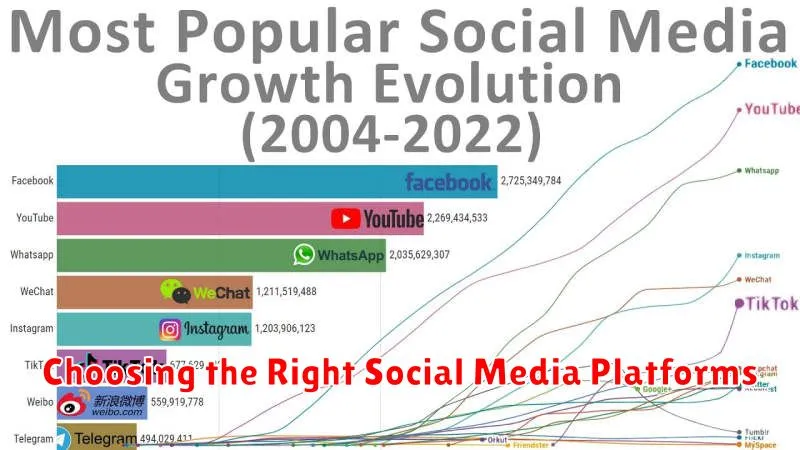
Selecting the appropriate social media platforms is crucial for effective social media marketing. Different platforms attract different demographics and offer unique features. Understanding your target audience is paramount; consider their age, interests, and online behavior. For instance, Instagram excels for visually-driven brands targeting younger audiences, while LinkedIn is ideal for B2B networking and professionals.
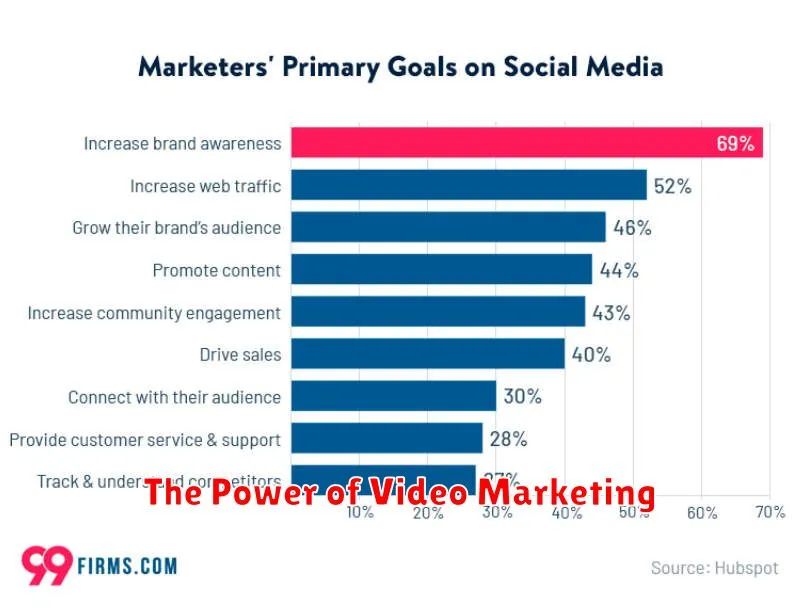
Consider your marketing goals. Are you aiming for brand awareness, lead generation, or customer service? Platforms like Facebook offer diverse tools for various objectives. Twitter is excellent for real-time engagement and quick updates, while YouTube is powerful for video marketing.
Resource allocation is another key factor. Managing multiple platforms effectively requires significant time and resources. Start with one or two platforms that best align with your audience and goals, and gradually expand your presence as your resources allow. Consistency across chosen platforms is vital for maintaining brand identity and engagement.
Finally, analyze your performance regularly. Track key metrics such as engagement, reach, and conversions to assess which platforms yield the best results. This data-driven approach enables you to optimize your strategy and allocate your resources effectively, maximizing your return on investment.
Creating Engaging Content for Social Media
Creating engaging social media content is crucial for brand growth. It requires understanding your target audience and providing them with valuable, relevant material. Consider their interests, needs, and pain points.
High-quality visuals are essential. Use professional photos and videos that are visually appealing and aligned with your brand’s aesthetic. Remember, a picture is worth a thousand words.
Consistency is key. Regular posting keeps your audience engaged and ensures your brand remains top-of-mind. Establish a posting schedule that you can realistically maintain.
Variety in content is also important. Mix up your posts with different formats like images, videos, stories, and even live streams to keep things interesting and cater to diverse consumption preferences.
Interactive content encourages engagement. Use polls, quizzes, Q&A sessions, and contests to boost participation and gather valuable audience insights. Encourage comments and responses.
Finally, analyze your results. Track your metrics to understand what content resonates most with your audience. Use this data to inform your future content strategy and optimize your approach for maximum impact.
The Power of Video Marketing
In today’s digital landscape, video marketing is a crucial element of a successful social media strategy. It offers a powerful way to connect with your audience on a more personal and engaging level than other content formats.
Videos are highly shareable, leading to increased brand visibility and reach. They can effectively convey complex information in a concise and easily digestible manner. Platforms like YouTube, Instagram Reels, and TikTok offer immense opportunities to showcase your brand’s personality and values.
Furthermore, video marketing allows for a diverse range of content creation, including product demos, behind-the-scenes glimpses, testimonials, and educational content. This versatility caters to different audience preferences and keeps your social media presence dynamic and interesting.
By incorporating high-quality videos into your social media strategy, you can significantly enhance audience engagement, boost brand awareness, and ultimately drive business growth. Remember to tailor your videos to the specific platform and audience for optimal results.
Using Influencer Marketing to Boost Reach
Influencer marketing offers a powerful way to significantly expand your brand’s reach on social media. By partnering with influencers who align with your brand values and target audience, you can tap into their established following and gain access to a wider pool of potential customers.
The key lies in selecting the right influencers. Consider their engagement rate, audience demographics, and overall brand alignment. Micro-influencers, with smaller but highly engaged audiences, can often be more effective than macro-influencers with larger, less interactive followings. A well-planned influencer campaign should clearly define goals, track key metrics, and measure return on investment (ROI).
Authenticity is paramount. Forced or unnatural endorsements can damage your brand’s reputation. Focus on collaborations that feel genuine and resonate with both the influencer’s audience and your brand identity. Transparency and disclosure of sponsored content are also crucial to maintaining consumer trust.
Effective influencer marketing involves a strategic approach. It requires careful planning, selection of the right influencers, and consistent monitoring of results. When executed properly, it can be a highly effective tool for boosting brand awareness, driving traffic to your website, and ultimately increasing sales.
Social Media Advertising Strategies
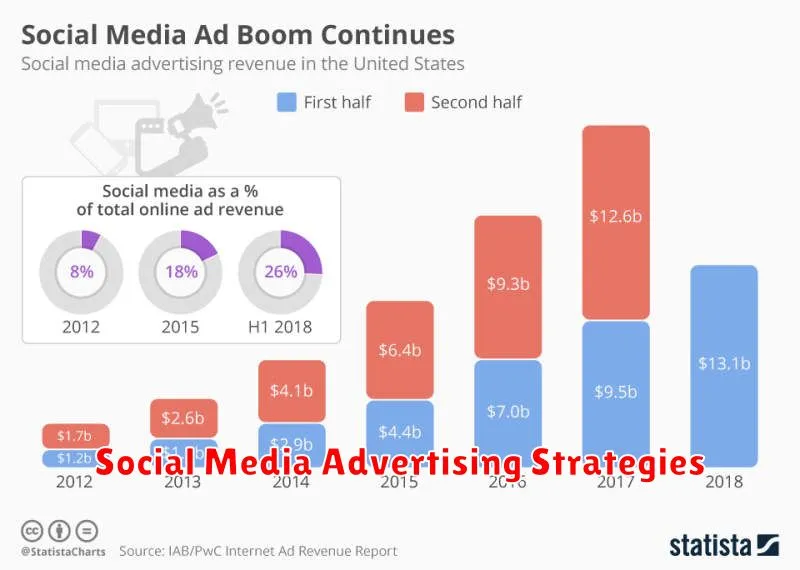
Effective social media advertising requires a strategic approach. Start by defining your target audience and their online behavior. This informs your choice of platform; for example, Instagram is visually driven, while LinkedIn targets professionals.
Next, create compelling ad creatives. High-quality visuals and concise, persuasive copy are crucial. A/B test different versions to optimize performance. Targeting options allow you to refine your reach, focusing on demographics, interests, and behaviors. Use detailed audience targeting to maximize your ad spend.
Budget allocation is key. Start with a manageable budget and gradually increase it based on performance. Track your key performance indicators (KPIs), such as click-through rates (CTR) and conversion rates, to measure success and make data-driven adjustments. Regularly monitor and analyze your campaigns to refine your strategy.
Finally, consider using remarketing to re-engage users who have previously interacted with your brand. This can significantly improve conversion rates. Remember that consistent optimization is crucial for long-term success in social media advertising.
How to Increase Engagement on Social Media
Boosting social media engagement is crucial for brand growth. A key strategy is creating high-quality, relevant content that resonates with your target audience. This includes visually appealing posts, engaging videos, and informative articles.
Consistency is key. Regular posting keeps your audience engaged and shows you’re active. Develop a content calendar to ensure consistent uploads.
Interact with your audience. Respond to comments and messages promptly. Ask questions to encourage conversation and foster a sense of community.
Utilize engaging visuals. Eye-catching images and videos are more likely to grab attention and increase engagement than text alone. Consider using infographics, short videos, or captivating photos.
Run contests and giveaways. These can significantly boost engagement by encouraging users to interact with your brand and share your content.
Leverage relevant hashtags to increase the visibility of your posts and reach a wider audience. Research popular and niche hashtags related to your brand.
Analyze your results. Use social media analytics to track your performance and identify what content resonates best with your audience. Adjust your strategy based on these insights.
Finally, consider using social media advertising to reach a wider audience and amplify your engagement efforts. Target your ads carefully to ensure they reach the right people.
The Role of Hashtags and Trends in Marketing
Hashtags and trends play a crucial role in social media marketing, significantly impacting a brand’s visibility and reach. Effectively utilizing them increases the chances of your content being discovered by a wider audience.
Hashtags categorize content, making it easily searchable. By using relevant hashtags, your posts are more likely to appear in searches related to your brand, products, or services. This expands organic reach and connects you with potential customers actively searching for what you offer. Researching popular and niche hashtags is vital to maximize impact.
Staying updated on current trends allows brands to participate in relevant conversations. Joining trending topics organically, when appropriate to your brand, boosts visibility and positions your brand as current and engaging. However, it is essential to ensure authenticity and avoid forced participation in irrelevant trends.
The strategic use of hashtags and participation in relevant trends, therefore, enhances brand awareness, drives engagement, and fosters a stronger connection with the target audience, ultimately contributing to business growth. Careful selection and thoughtful implementation are key to successful social media marketing.
Tracking and Analyzing Social Media Performance
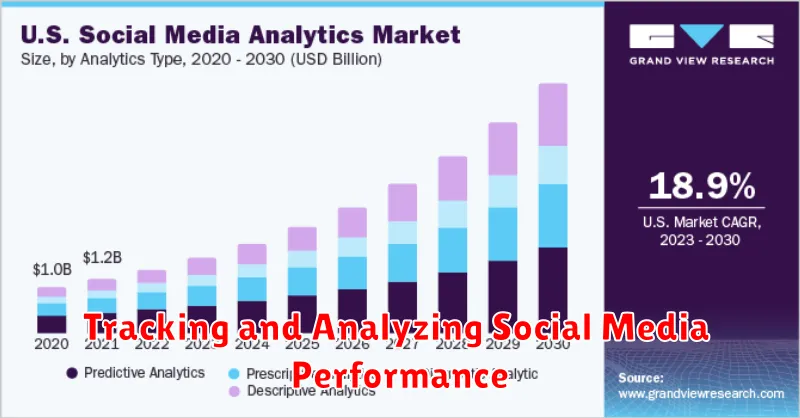
Effective social media marketing requires diligent tracking and analysis of performance. This involves monitoring key metrics to understand what’s working and what’s not, allowing for data-driven adjustments to your strategy.
Key Performance Indicators (KPIs) to track include reach (how many people saw your content), engagement (likes, comments, shares), website traffic driven from social media, and conversions (e.g., purchases, sign-ups). The specific KPIs will vary depending on your goals.
Utilize built-in analytics offered by each social media platform (e.g., Facebook Insights, Instagram Insights, Twitter Analytics). These tools provide valuable data on audience demographics, post performance, and campaign effectiveness. Consider also using third-party analytics platforms for a more comprehensive overview and deeper insights.
Analyzing your data involves more than just looking at numbers. Identify trends in engagement, pinpoint high-performing and low-performing content, and understand your audience’s behavior. This analysis should inform future content creation, campaign planning, and overall social media strategy.
Regularly review your data and adjust your strategy accordingly. Social media is dynamic; what works today may not work tomorrow. Continuous monitoring and adaptation are crucial for sustained success.
