
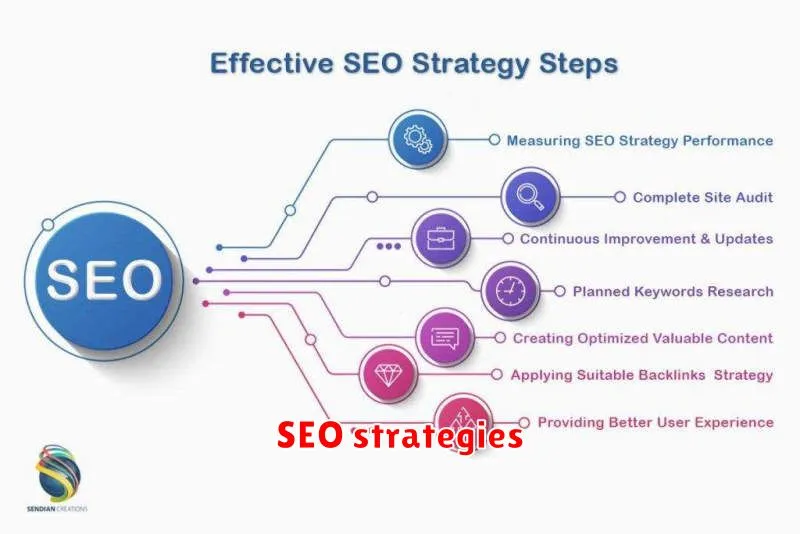
Are you struggling to get your website noticed on search engines? This comprehensive guide on SEO optimization will equip you with the knowledge and strategies you need to rank higher on search engines like Google. Learn how to implement effective keyword research, on-page optimization techniques, and off-page SEO strategies to boost your website’s search engine ranking and drive more organic traffic. Discover the secrets to improving your website’s visibility and achieving top rankings for your target keywords. This article will cover everything from basic SEO techniques to advanced strategies, empowering you to dominate your niche and achieve higher search rankings.
Understanding SEO and Its Importance
Search Engine Optimization (SEO) is the practice of increasing the quantity and quality of traffic to your website through organic search engine results. In simpler terms, it’s about making your website more visible to people searching for products or services related to your business on search engines like Google.
The importance of SEO lies in its ability to drive targeted traffic to your website. Unlike paid advertising, which requires continuous spending, SEO focuses on organic results, meaning users find your site naturally through their searches. This results in a more engaged and qualified audience, as they are actively searching for what you offer.
Effective SEO significantly impacts your online visibility and brand reputation. Higher rankings in search engine results pages (SERPs) translate to increased brand awareness, greater credibility, and ultimately, more leads and sales. Ignoring SEO means missing out on a huge potential customer base.
In essence, understanding SEO is crucial for any business aiming for online success. It’s a long-term strategy that requires consistent effort but yields substantial returns in terms of website traffic, brand growth, and profitability.
Keyword Research Strategies
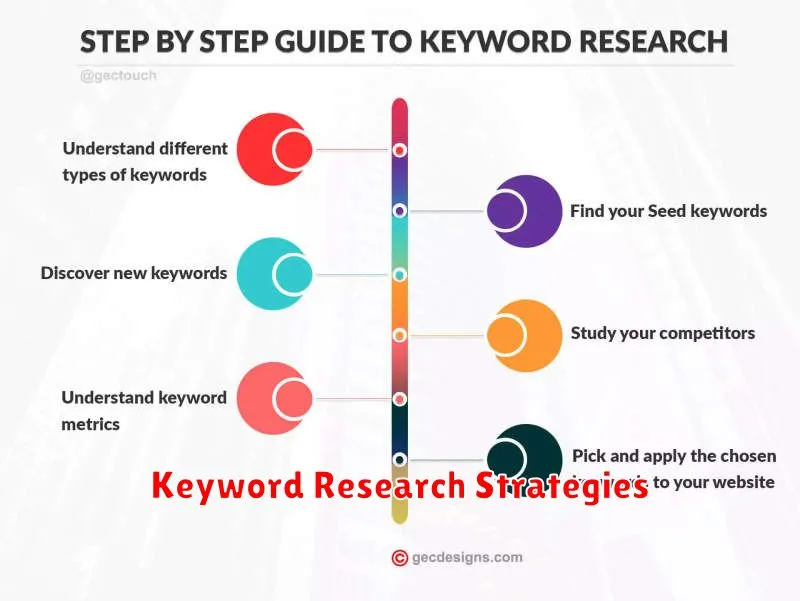
Effective keyword research is crucial for SEO success. It involves identifying the terms and phrases people use when searching for information related to your website’s content.
Start with brainstorming: List relevant terms related to your business and industry. Consider different variations and synonyms.
Utilize keyword research tools: Tools like SEMrush, Ahrefs, and Google Keyword Planner provide data on search volume, competition, and related keywords. Analyze this data to find high-volume, low-competition keywords – those with many searches but less competition.
Focus on long-tail keywords: These are longer, more specific phrases that often have less competition and higher conversion rates. For example, instead of “shoes,” target “women’s red leather high heels size 8.”
Analyze your competitors’ keywords: See which keywords your competitors are ranking for to identify opportunities and gaps in the market.
Don’t forget about user intent: Understand what users are looking for when they search for specific keywords. Are they looking for information, products, or services? Tailor your content to match their intent.
Regularly review and update your keyword strategy. Search trends change, so continuous monitoring is key to maintaining high rankings.
On-Page Optimization Techniques
On-page optimization focuses on improving your website’s content and HTML source code to increase its relevance to specific keywords. Keyword research is paramount; identify terms your target audience uses to find your content.
Title tags and meta descriptions are crucial. Craft compelling, keyword-rich titles that accurately reflect your page’s content and meta descriptions that entice clicks from search engine results pages (SERPs).
Header tags (H1-H6) structure your content logically and help search engines understand its hierarchy. Use a single H1 tag per page containing your primary keyword. Subheadings (H2-H6) should break up text and contain related keywords.
High-quality content is essential. Provide valuable, informative, and engaging text that satisfies user intent. Ensure your content is original, well-written, and easy to read. Image optimization, including descriptive alt text, is also crucial for accessibility and SEO.
Internal linking connects pages within your website, distributing link equity and improving site navigation. URL optimization uses relevant keywords to make URLs easily understandable by both users and search engines. Finally, mobile optimization ensures your site is responsive and provides a positive user experience across all devices.
Off-Page SEO and Link Building
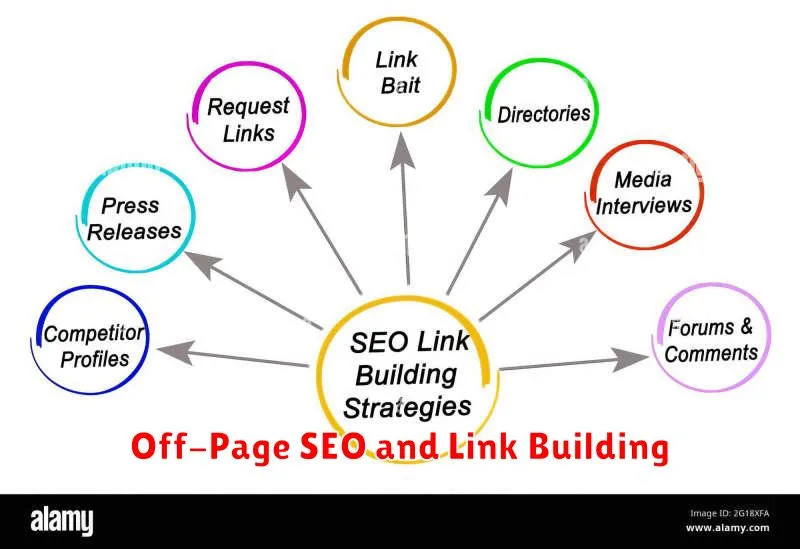
Off-page SEO focuses on activities outside your website to improve its search engine rankings. The most crucial aspect is link building, earning high-quality backlinks from reputable websites.
High-quality backlinks act as votes of confidence, signaling to search engines that your content is valuable and trustworthy. These links should come from relevant and authoritative sources within your industry.
Effective link-building strategies include guest blogging on related sites, creating high-quality content that others naturally want to link to, and reaching out to websites to request links.
Beyond backlinks, other off-page SEO activities include building your brand’s online reputation through social media engagement and online directory listings. Consistent and strategic efforts across these areas contribute significantly to improved search engine rankings.
How to Improve Website Speed for Better Ranking
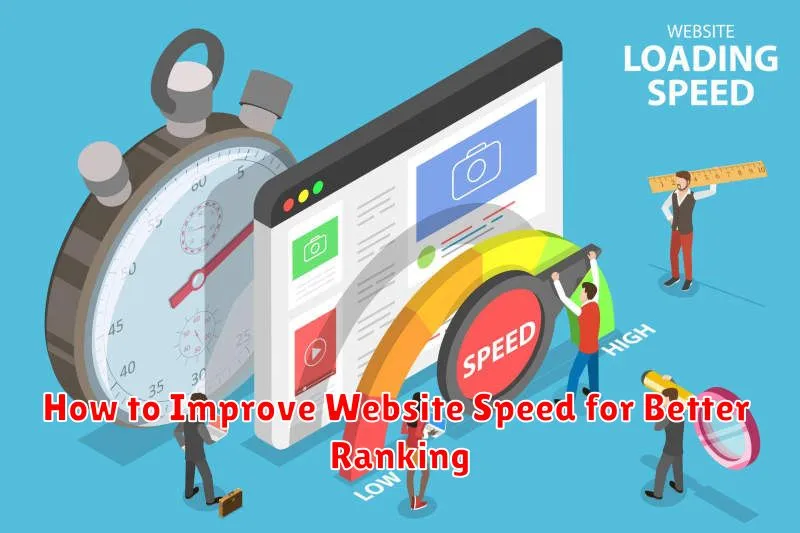
Website speed is a crucial ranking factor for search engines like Google. A slow website leads to higher bounce rates and poor user experience, negatively impacting your search engine rankings.
To improve your website speed, optimize your images. Compress images without sacrificing quality using tools like TinyPNG or ImageOptim. Use appropriate image formats like WebP for better compression.
Minimize HTTP requests by reducing the number of plugins and scripts on your website. Combine and minify CSS and JavaScript files to reduce the number of files the browser needs to download.
Leverage browser caching. This allows the browser to store static assets (images, CSS, JavaScript) locally, reducing load times on subsequent visits.
Use a Content Delivery Network (CDN). A CDN distributes your website’s content across multiple servers globally, reducing latency for users in different locations.
Choose a reliable web hosting provider. A slow or unreliable host can significantly impact your website’s speed. Ensure your hosting plan is suitable for your website’s traffic and resource needs.
Regularly test your website’s speed using tools like Google PageSpeed Insights and GTmetrix. These tools provide detailed reports on areas for improvement and suggest optimizations.
Implementing these strategies will significantly improve your website speed, leading to better user experience and ultimately, higher rankings in search engine results.
SEO-Friendly Content Creation
Creating SEO-friendly content is crucial for higher search engine rankings. It involves optimizing your content to meet both user and search engine needs. This means focusing on providing valuable, relevant, and engaging content that satisfies user search intent.
Keyword research is paramount. Identify relevant keywords with high search volume but manageable competition. Naturally incorporate these keywords into your content, avoiding keyword stuffing, which can harm your rankings.
High-quality content is king. Ensure your writing is clear, concise, and easy to read. Use headings (H1-H6) and subheadings to structure your content logically. Incorporate visuals like videos or infographics to enhance engagement and readability.
On-page optimization is essential. Optimize your title tags and meta descriptions to accurately reflect your content and include relevant keywords. Ensure your website loads quickly and is mobile-friendly for a better user experience.
Content promotion is key to visibility. Share your content on social media and other relevant platforms to drive traffic and increase your reach. Regularly updating your content keeps it fresh and relevant, signaling to search engines that your site is active and valuable.
Using Analytics to Monitor SEO Performance
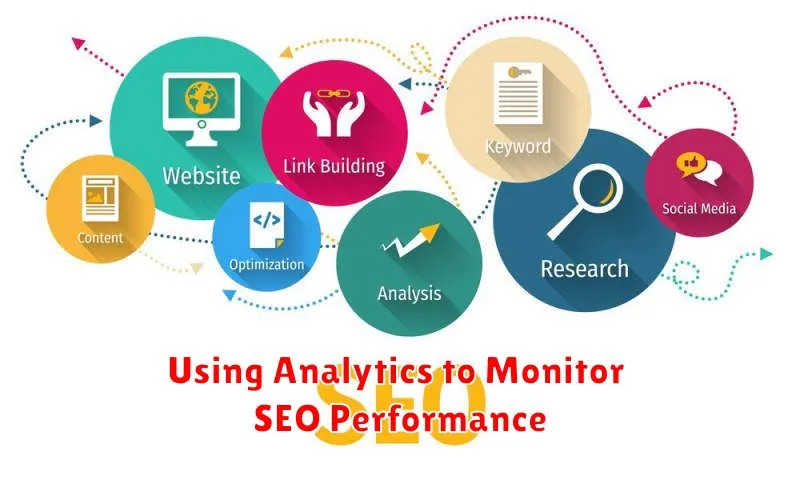
Monitoring SEO performance requires a robust analytics strategy. Google Analytics is a crucial tool, providing insights into website traffic, user behavior, and keyword rankings.
Key metrics to track include organic traffic, showing the effectiveness of SEO efforts. Keyword rankings reveal how well your site performs for target keywords. Analyzing bounce rate and average session duration helps understand user engagement and content quality.
Goal setting is vital. Establish clear, measurable objectives, such as increasing organic traffic by a certain percentage or improving keyword rankings for specific terms. Regularly compare your current performance against these goals to gauge progress.
Regular reporting is essential. Create dashboards to visualize key metrics, making it easy to identify trends and areas for improvement. This data-driven approach allows for informed decisions on future SEO strategies and content optimization.
Beyond Google Analytics, consider using SEO tools that provide additional keyword research, backlink analysis, and rank tracking capabilities. Combining data from multiple sources gives a more comprehensive view of SEO performance.
Common SEO Mistakes to Avoid
Optimizing your website for search engines requires a strategic approach. Ignoring fundamental SEO principles can significantly hinder your ranking potential. Avoid these common pitfalls to improve your search engine visibility.
One frequent error is neglecting keyword research. Understanding the terms your target audience uses is crucial for creating relevant content. Without proper keyword research, your content may not be easily discoverable.
Another mistake is ignoring on-page optimization. This encompasses elements like title tags, meta descriptions, header tags (H1-H6), and image alt text. These elements provide context to search engines and influence click-through rates (CTR).
Ignoring mobile optimization is detrimental. With the increasing use of mobile devices, a responsive design is non-negotiable. Search engines prioritize mobile-friendly websites, penalizing those with poor mobile experiences.
Failing to build high-quality backlinks is another common oversight. Backlinks from reputable websites signal authority and trust to search engines. Focusing solely on quantity over quality can harm your rankings.
Finally, many overlook the importance of content quality. Creating thin, low-value, or duplicate content will not rank well. Prioritize creating informative, engaging, and original content that provides value to your audience.
By avoiding these common mistakes, you can significantly improve your website’s search engine ranking and attract more organic traffic.
