

Are you ready to unlock exponential business growth through the power of influencer marketing? This comprehensive guide will reveal proven strategies to effectively leverage influencers and their dedicated audiences to boost your brand awareness, drive sales, and ultimately achieve significant return on investment (ROI). Learn how to identify the right influencers, craft compelling campaigns, measure your results, and stay ahead of the curve in this dynamic marketing landscape. Discover the secrets to maximizing your marketing budget and building a thriving, sustainable business with the help of influencer collaborations.
What is Influencer Marketing and How Does it Work?
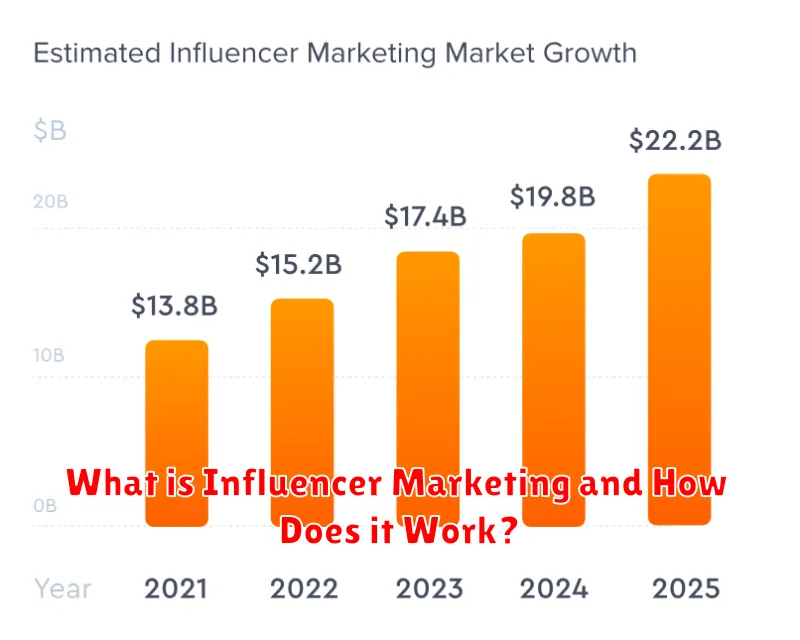
Influencer marketing is a type of marketing that involves collaborating with influencers – individuals who have a significant and engaged following on social media or other online platforms – to promote your brand or products. These influencers, due to their established trust and authority with their audience, can effectively reach potential customers and drive sales.
It works by leveraging the influencer’s credibility and reach. Instead of directly advertising to a large, potentially uninterested audience, businesses partner with influencers who already connect with a targeted demographic. The influencer creates content (e.g., social media posts, blog articles, videos) featuring the brand, subtly or directly promoting the product or service to their followers. This approach fosters authentic engagement and builds brand awareness more organically than traditional advertising methods.
The process typically involves identifying relevant influencers, negotiating a campaign, providing the influencer with product samples or information, and then tracking the results. Successful influencer marketing campaigns result in increased brand visibility, improved website traffic, and ultimately, higher sales and brand loyalty. The key to success lies in choosing influencers who align with your brand values and target audience.
Choosing the Right Influencers for Your Brand
Selecting the right influencers is crucial for a successful influencer marketing campaign. Relevance is key; ensure their audience aligns with your target demographic and brand values. Consider their engagement rate – a high rate suggests a genuine and active following, more likely to interact with your brand’s message. Analyze their content quality; it should be high-quality, professional, and consistent with your brand’s aesthetic.
Authenticity is paramount. Choose influencers who genuinely believe in your product or service, as this translates to more credible endorsements. Their past collaborations can offer insights into their approach and effectiveness. Don’t solely focus on follower count; a smaller, highly engaged audience can be more valuable than a large, passive one. Transparency is also important; understand their disclosure practices and ensure they comply with relevant advertising regulations.
Finally, carefully define your campaign goals before selecting influencers. This will help you determine the type of influencer (macro, micro, or nano) that best aligns with your objectives and budget. A well-defined strategy, coupled with the selection of appropriate influencers, significantly increases your chances of a successful campaign and achieving your business growth goals.
How to Negotiate Influencer Partnerships

Negotiating influencer partnerships requires a strategic approach. Begin by clearly defining your campaign goals and budget. Research potential influencers, focusing on those whose audience aligns with your target market and whose engagement rates are high.
When contacting influencers, present a detailed proposal outlining your campaign objectives, deliverables (e.g., posts, stories, reels), timeline, and compensation. Be transparent about your expectations and provide creative direction without being overly restrictive. Consider offering a variety of compensation methods, such as payment, free products, or a combination of both.
During negotiations, be prepared to discuss and compromise on various aspects, including payment, content creation guidelines, and reporting metrics. Clearly outline the deliverables and how success will be measured. Secure agreements in writing to protect both parties’ interests. Always maintain professional and respectful communication throughout the process.
Post-campaign, provide timely feedback and payment as agreed upon. Maintaining positive relationships with influencers is crucial for building long-term collaborations. Analyzing campaign results allows for refinement in future negotiations and ensures a strong ROI.
The Power of Micro-Influencers in Marketing
In today’s digital landscape, influencer marketing has become a powerful tool for business growth. While macro-influencers boast massive followings, micro-influencers, with their smaller but highly engaged audiences, offer unique advantages. Their niche expertise and authentic connection with followers foster higher engagement rates and increased trust.
Micro-influencers often command lower marketing costs compared to their larger counterparts, making them a more budget-friendly option for businesses of all sizes. Their intimate relationship with their audience translates to more genuine endorsements and stronger calls to action, ultimately driving sales and brand awareness.
The authenticity of micro-influencers’ content resonates deeply with their followers. This builds a sense of community and loyalty, leading to greater customer retention. By focusing on specific demographics and interests, businesses can leverage micro-influencers to target their ideal customers more effectively, maximizing campaign ROI.
Choosing the right micro-influencers requires careful consideration of their audience alignment with your brand values. A well-structured campaign with clear objectives and measurable KPIs is crucial for maximizing the impact of your micro-influencer marketing strategy.
Measuring ROI on Influencer Campaigns
Measuring the return on investment (ROI) of influencer marketing campaigns is crucial for demonstrating their effectiveness and justifying future budgets. It’s not simply about vanity metrics like follower count.
Trackable metrics are key. These include website traffic driven from unique influencer links, sales attributed to specific campaign codes, lead generation forms, and changes in brand awareness using social listening tools. Pre-campaign benchmarking of these metrics is essential for accurate comparison.
Attribution modeling plays a vital role. While directly linking sales to an influencer is ideal, many marketing efforts contribute to overall success. Consider using a multi-touch attribution model that allocates credit across multiple touchpoints, including influencer marketing.
Customizable dashboards, either built in-house or using marketing analytics software, can provide a clear overview of all relevant data. Regularly reviewing these dashboards allows for real-time adjustments and optimization of the campaign.
Beyond direct sales, consider qualitative measures. Brand sentiment analysis, gauging the overall positive or negative feedback surrounding the brand after the campaign, offers valuable insights into long-term impact and brand reputation.
By implementing a robust tracking and analysis framework, businesses can accurately assess the value of their influencer marketing investments and demonstrate a clear ROI, ensuring continued investment in this powerful growth strategy.
Best Platforms for Influencer Marketing
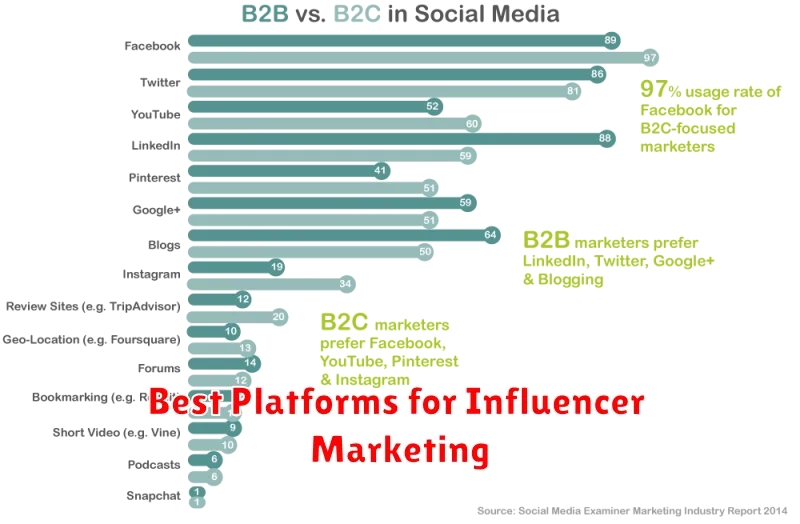
Choosing the right platform is crucial for a successful influencer marketing campaign. Your target audience’s location and demographics heavily influence this decision. Instagram remains a dominant force, particularly effective for visually-driven products and reaching a broad, engaged audience. Its robust features allow for detailed campaign tracking.
TikTok is ideal for reaching a younger demographic and leveraging short, engaging video content. Its algorithm prioritizes virality, offering potential for rapid brand awareness, though campaign measurement may be less precise than other platforms.
YouTube is a strong contender for longer-form content and detailed product reviews. Influencers on YouTube often possess a highly loyal and engaged following, making it effective for building trust and credibility.
Facebook, while perhaps less trendy than others, still boasts a massive user base. Its targeting options are sophisticated, enabling precise reach to specific demographics and interests. However, engagement rates may be lower than on more visually-focused platforms.
Pinterest is an excellent option for businesses selling visually appealing products. Its focus on visual discovery makes it a powerful platform for driving traffic and brand awareness. Successful campaigns often center around lifestyle and aspirational content.
Ultimately, the best platform depends on your specific goals, target audience, and budget. A multi-platform approach can often yield the most comprehensive results.
How to Create Engaging Sponsored Content
Creating engaging sponsored content requires a strategic approach that blends authenticity with brand alignment. The key is to ensure the content feels natural and valuable to the influencer’s audience, not just a blatant advertisement.
First, choose the right influencers. Select individuals whose audience aligns with your target demographic and whose content style complements your brand. Avoid influencers who seem to promote everything – their credibility is compromised.
Next, develop a clear brief. Provide the influencer with detailed information about your brand, product, and campaign goals. Give them creative freedom within established guidelines to allow for authentic expression.
Collaboration is crucial. Work closely with the influencer to develop a content plan that resonates with their audience while achieving your marketing objectives. This might involve brainstorming ideas, reviewing drafts, and providing feedback.
Finally, measure results. Track key metrics such as engagement, reach, and website traffic to gauge the success of the sponsored content. This data will inform future campaigns and optimize your influencer marketing strategy.
By focusing on these key elements—authenticity, collaboration, and measurement—you can create engaging sponsored content that drives meaningful results for your business.
Common Mistakes to Avoid in Influencer Marketing
One of the most common mistakes is failing to define clear goals and metrics. Before engaging any influencer, establish specific, measurable, achievable, relevant, and time-bound (SMART) goals. Track key performance indicators (KPIs) like engagement, reach, and website traffic to measure success.
Another frequent error is neglecting to carefully select influencers. Don’t just focus on follower count; prioritize influencers whose audience aligns with your target market and whose content style resonates with your brand. Authenticity and engagement are key factors.
Ignoring proper contract negotiation is also a major pitfall. Always have a clear contract outlining deliverables, payment terms, timelines, and usage rights. This protects both parties and prevents future disputes.
Many businesses make the mistake of not providing sufficient support and guidance to their chosen influencers. Offer clear creative briefs, brand guidelines, and necessary assets to ensure the influencer’s content effectively represents your brand.
Finally, failing to measure and analyze results is a critical oversight. Regularly monitor campaign performance and analyze the data to optimize future collaborations. Understand which strategies are working and which aren’t to maximize ROI.
