
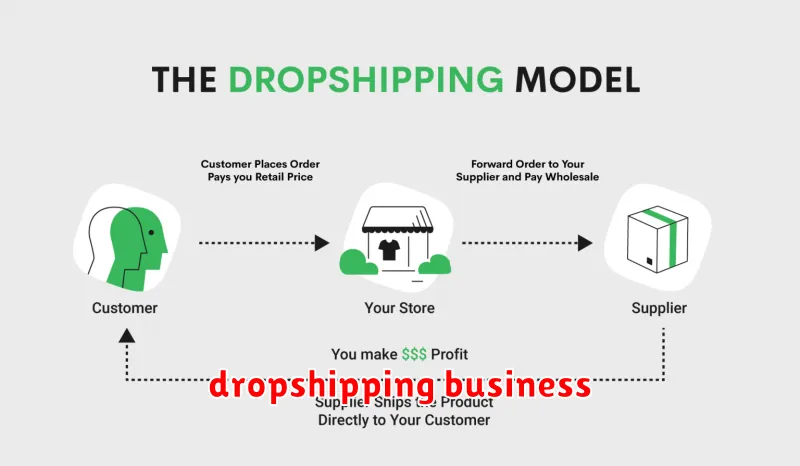
Choosing the right e-commerce model is crucial for success. This article compares dropshipping and traditional e-commerce, analyzing their pros and cons. We’ll examine key differences in inventory management, shipping, profit margins, startup costs, and scalability to help you determine which business model best aligns with your business goals and financial resources. Discover which path – dropshipping or traditional e-commerce – offers the optimal balance of risk and reward for your entrepreneurial journey.
Understanding the Dropshipping Business Model
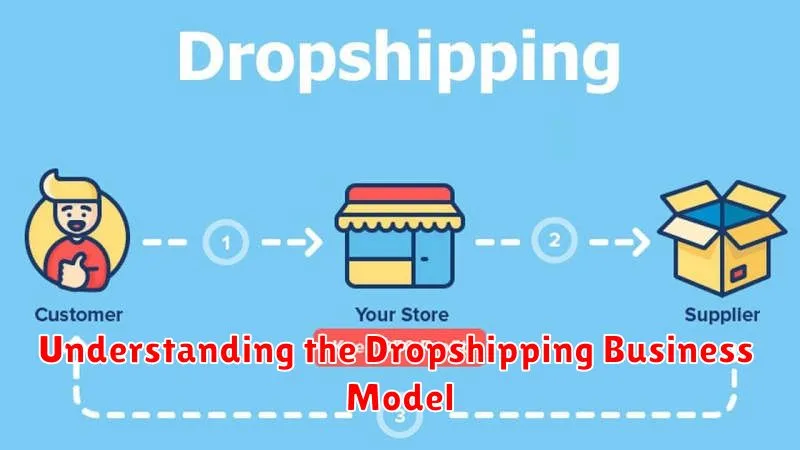
Dropshipping is a retail fulfillment method where a store doesn’t keep the products it sells in stock. Instead, when a store sells a product, it purchases the item from a third party (a dropshipper) and has it shipped directly to the customer. The store never handles the product.
This model significantly reduces startup costs as there’s no need for upfront inventory investment or warehouse space. Profit margins are generally lower per item compared to traditional e-commerce, but the lower overhead can lead to greater overall profitability.
Inventory management is simplified, as the dropshipper handles stock levels and order fulfillment. However, relying on a third party introduces potential issues with shipping times and product quality control, requiring careful supplier selection and customer communication.
Marketing and branding remain crucial for success. While the logistical burden is lessened, the store owner is still responsible for attracting customers and building a brand reputation.
Pros and Cons of Dropshipping vs Traditional E-commerce
Choosing between dropshipping and traditional e-commerce involves weighing several factors. Dropshipping offers a low-barrier-to-entry with minimal upfront investment in inventory. Lower startup costs and easier management are key advantages. However, lower profit margins due to reliance on third-party suppliers and less control over shipping and product quality are significant drawbacks. Inventory management complexities are also shifted to the supplier.
Traditional e-commerce, conversely, demands a higher initial investment for inventory procurement and storage. This model provides greater control over product quality, branding, and shipping, leading to potentially higher profit margins. However, higher risk of inventory holding costs and significant upfront capital are substantial disadvantages. Effective inventory management is crucial for success.
Ultimately, the “better” model depends on individual circumstances, resources, and business goals. Dropshipping suits entrepreneurs with limited capital seeking a low-risk entry point. Traditional e-commerce is ideal for those willing to invest significantly for greater control and potential higher returns. Careful consideration of these pros and cons is crucial before making a decision.
How to Start a Successful Dropshipping Store
Starting a successful dropshipping store requires a strategic approach. Begin by identifying a niche market with high demand and low competition. Thorough market research is crucial.
Next, select a reliable dropshipping supplier. Consider factors like product quality, shipping times, and customer service. A strong supplier is the backbone of your business.
Establish a professional e-commerce platform. Shopify is a popular choice, offering user-friendly features and scalability. Invest time in creating a visually appealing and easy-to-navigate website.
Develop a robust marketing strategy. Utilize social media marketing, search engine optimization (SEO), and paid advertising (e.g., Google Ads, Facebook Ads) to drive traffic to your store. Focus on building brand awareness and generating customer trust.
Provide excellent customer service. Respond promptly to inquiries, address complaints efficiently, and strive to exceed customer expectations. Positive reviews and word-of-mouth referrals are essential for long-term success. Continuously monitor your store’s performance, analyzing data to optimize your strategies and maximize profitability.
Finally, stay updated on industry trends and adapt your business accordingly. The dropshipping landscape is constantly evolving, requiring continuous learning and improvement.
Choosing the Right Suppliers for Your Business
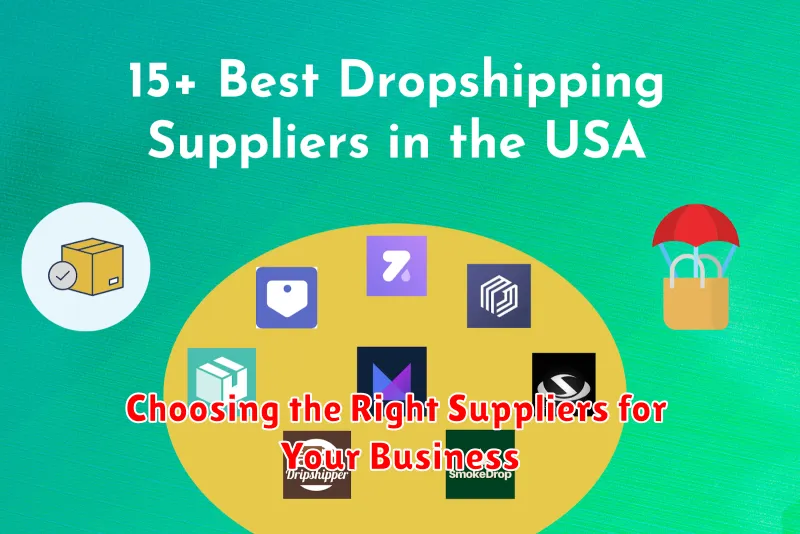
Selecting the right suppliers is crucial for both dropshipping and traditional e-commerce businesses, though the process differs slightly. For dropshipping, finding reliable suppliers who offer fast shipping, high-quality products, and excellent customer service is paramount. Thoroughly vet potential suppliers by checking reviews, requesting samples, and confirming order fulfillment times. Negotiate favorable terms regarding pricing and returns.
In traditional e-commerce, where you hold inventory, supplier selection involves similar considerations, but with added focus on minimum order quantities (MOQs), storage solutions, and inventory management. Building strong relationships with suppliers is critical for securing favorable pricing, managing lead times, and ensuring consistent product availability. Consider factors like supplier location (impacting shipping costs and lead times), production capacity, and financial stability. A thorough assessment of your business needs will guide your supplier choice, ensuring a smooth and profitable operation regardless of your chosen e-commerce model.
Best Marketing Strategies for Dropshipping Stores
Success in dropshipping relies heavily on effective marketing. Social media marketing, particularly on platforms like Instagram and Facebook, is crucial for showcasing products and engaging directly with potential customers. Utilizing high-quality product photography and videos is essential to build trust and showcase the product’s appeal.
Influencer marketing can significantly boost brand awareness and drive sales. Partnering with relevant influencers who align with your target audience can generate significant reach and credibility. Paid advertising, using platforms like Google Ads and Facebook Ads, allows for targeted campaigns reaching specific demographics interested in your products. Search Engine Optimization (SEO) is also vital for organic visibility; optimizing product descriptions and website content improves search engine rankings.
Email marketing plays a key role in nurturing leads and driving repeat business. Building an email list and sending targeted campaigns can significantly improve customer retention and sales. Finally, offering incentives and promotions, such as discounts and free shipping, can encourage purchases and build loyalty among customers.
How to Handle Customer Service in Dropshipping
Excellent customer service is crucial for success in any e-commerce model, including dropshipping. Because you don’t handle inventory directly, managing customer expectations and communication is paramount.
Proactive communication is key. Set clear expectations regarding shipping times, which are often longer in dropshipping due to the intermediary supplier. Provide tracking information promptly and keep customers updated on the order status.
Establish a robust return and refund policy. Clearly outline the process for returns, exchanges, and refunds, and make it easily accessible to customers. Be prepared to handle returns efficiently, even if the supplier is responsible for the product itself.
Utilize a help desk or ticketing system to organize and track customer inquiries. This ensures consistent responses and prevents issues from falling through the cracks.
Develop strong relationships with your suppliers. Good communication with your suppliers is vital for quickly resolving customer issues related to damaged or incorrect products. Their cooperation will significantly impact your ability to offer excellent customer service.
Personalize interactions where possible. Addressing customers by name and responding to their concerns with empathy builds trust and loyalty. Even a small gesture can make a big difference.
Monitor customer reviews and feedback closely. Address negative reviews promptly and professionally, turning negative experiences into opportunities to demonstrate your commitment to customer satisfaction. Learn from feedback to improve your processes.
By focusing on these aspects, you can build a positive reputation and foster customer loyalty, even within the unique challenges of the dropshipping business model. Remember, positive customer experiences are a major differentiator in the competitive e-commerce landscape.
Scaling Your Dropshipping Business
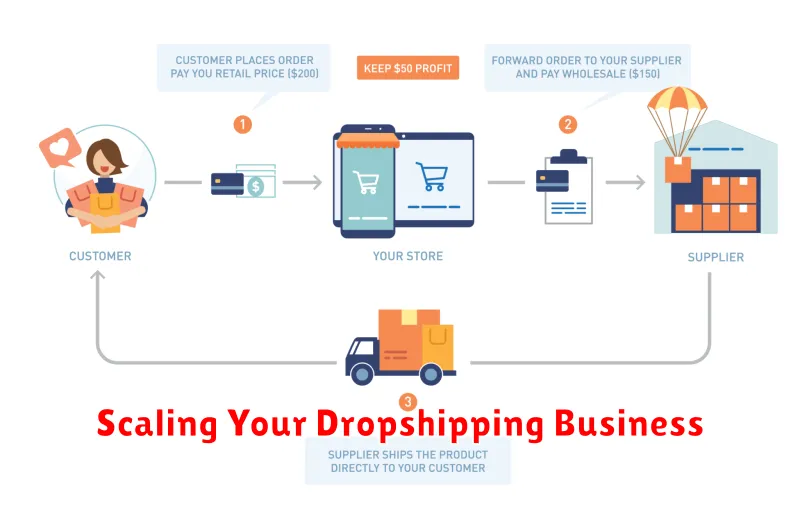
Scaling a dropshipping business requires a strategic approach focusing on several key areas. Marketing is paramount; explore diverse channels like paid advertising (Google Ads, Facebook Ads), influencer marketing, and SEO optimization to expand your reach.
Automation is crucial for efficiency. Utilize tools for order fulfillment, customer service (chatbots), and inventory management to streamline operations and handle increased volume. This allows you to focus on strategic growth initiatives.
Product diversification is essential for reducing reliance on single products and mitigating risk. Introduce new, complementary products to cater to a wider customer base and increase average order value.
Inventory management, even though you don’t hold stock, remains crucial. Understanding supplier lead times and potential stockouts is vital to prevent delays and maintain customer satisfaction. Building strong relationships with reliable suppliers is essential for scalability.
Finally, consider investing in advanced analytics to track key performance indicators (KPIs) like conversion rates, customer acquisition cost, and average order value. This data-driven approach informs strategic decisions and enables more effective scaling.
Long-Term Sustainability of the Dropshipping Model
The long-term sustainability of the dropshipping model hinges on several critical factors. Profit margins are often thinner than in traditional e-commerce due to reliance on third-party suppliers and competitive pricing. Maintaining a strong brand identity and customer loyalty is crucial for overcoming this challenge. This requires delivering exceptional customer service and building a unique brand voice.
Supplier relationships are paramount. Reliable suppliers with consistent product quality and timely shipping are essential for avoiding order fulfillment issues which can severely damage a business’s reputation. Diversifying suppliers can mitigate risks associated with reliance on a single source.
Scaling effectively is another key aspect. Dropshipping businesses can experience rapid growth, but scaling requires robust inventory management systems, efficient order processing, and excellent communication across all stakeholders. Investing in marketing and branding to create a recognizable and trustworthy business is vital for sustainable long-term success, beyond short-term sales booms.
Ultimately, the long-term sustainability of a dropshipping business depends on the entrepreneur’s ability to adapt to market changes, maintain strong relationships with suppliers, and build a loyal customer base. Without a dedicated approach to these factors, the long-term viability of a dropshipping business may be compromised.
