
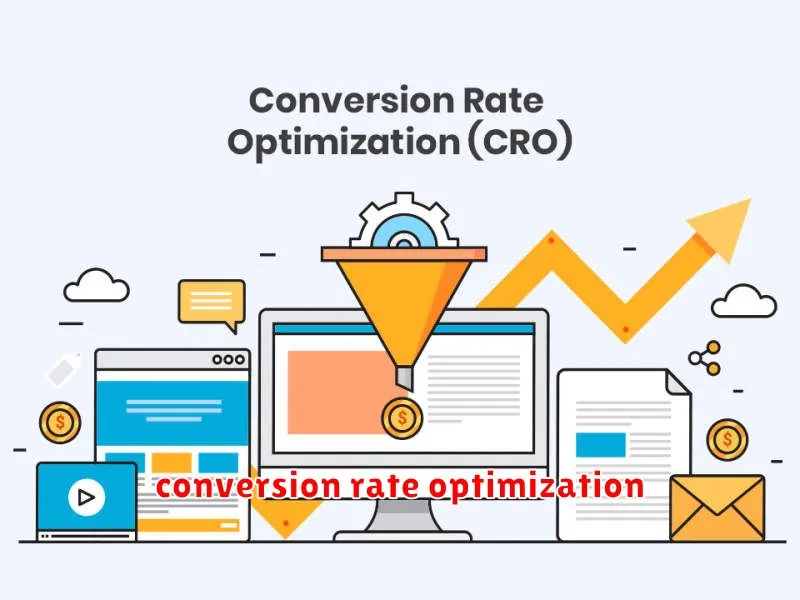
Converting website visitors into paying customers is a crucial goal for any online business. This comprehensive guide will equip you with proven strategies to significantly boost your conversion rates. Learn how to leverage effective marketing techniques, optimize your website design for conversions, and implement data-driven strategies to maximize your return on investment (ROI). Discover the secrets to transforming casual website traffic into a steady stream of paying customers and achieve sustainable business growth.
The Psychology Behind Website Conversions
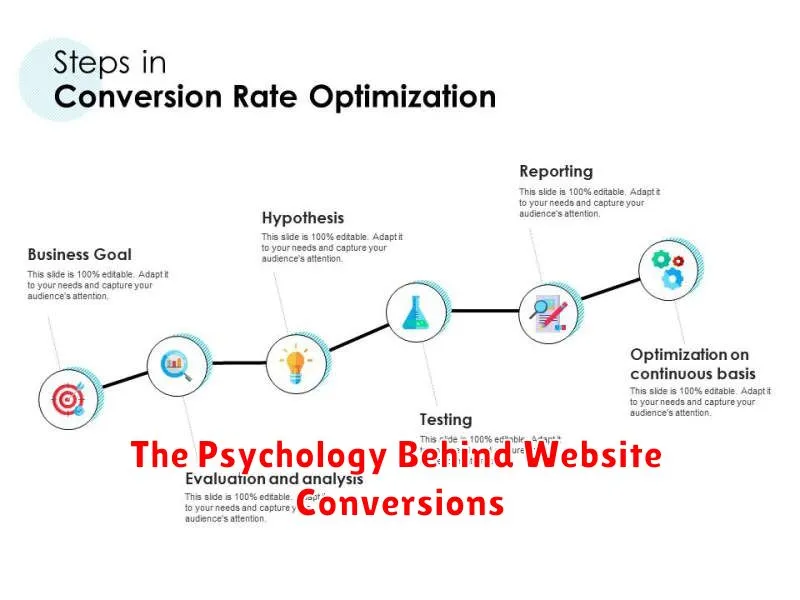
Understanding the psychology behind website conversions is crucial for turning visitors into paying customers. Effective website design leverages psychological principles to influence user behavior and encourage desired actions, such as making a purchase or signing up for a newsletter.
One key principle is reciprocity. Offering something of value upfront, like a free ebook or discount code, can increase the likelihood of a conversion. People feel obligated to reciprocate a generous gesture.
Scarcity is another powerful tool. Creating a sense of urgency, by highlighting limited-time offers or low stock, motivates visitors to act quickly. This taps into the fear of missing out (FOMO).
Social proof influences decisions significantly. Displaying testimonials, reviews, and social media shares builds trust and credibility. Seeing others engage positively with your brand encourages potential customers to follow suit.
Authority matters. Establishing credibility through expert endorsements, certifications, or professional affiliations increases customer confidence and encourages conversions. A clearly displayed strong value proposition that directly addresses customer needs also plays a vital role.
Finally, simplicity and ease of use are paramount. A user-friendly website with a clear call-to-action makes the conversion process smooth and stress-free. Minimizing friction increases the chance of a successful transaction.
How to Create a High-Converting Landing Page
A high-converting landing page is crucial for turning website visitors into paying customers. To achieve this, focus on these key elements:
Clear and Concise Value Proposition: Immediately communicate the benefit of your product or service. Use strong headlines and bullet points to highlight key features and advantages. Avoid jargon and focus on the problem you solve for the customer.
Compelling Visuals: Use high-quality images and videos that are relevant to your offer and visually appealing. Ensure your visuals are consistent with your brand identity and resonate with your target audience.
Strong Call to Action (CTA): Include a clear and prominent CTA that tells visitors exactly what you want them to do (e.g., “Buy Now,” “Sign Up,” “Learn More”). Use strong action verbs and make the button visually appealing.
Optimized for Conversions: Use A/B testing to continuously improve your landing page. Experiment with different headlines, CTAs, images, and page layouts to identify what works best. Track key metrics like conversion rates and bounce rates to measure your success.
Mobile-Friendly Design: Ensure your landing page is responsive and looks great on all devices. A significant portion of your traffic may come from mobile devices, so optimizing for mobile is crucial.
Targeted Content: Tailor your landing page content to your specific target audience. Use language and messaging that resonates with their needs and pain points. Understanding your audience is crucial to crafting a compelling message.
By focusing on these elements, you can significantly improve your landing page’s conversion rate and effectively transform website visitors into paying customers.
Optimizing Call-to-Actions (CTAs)
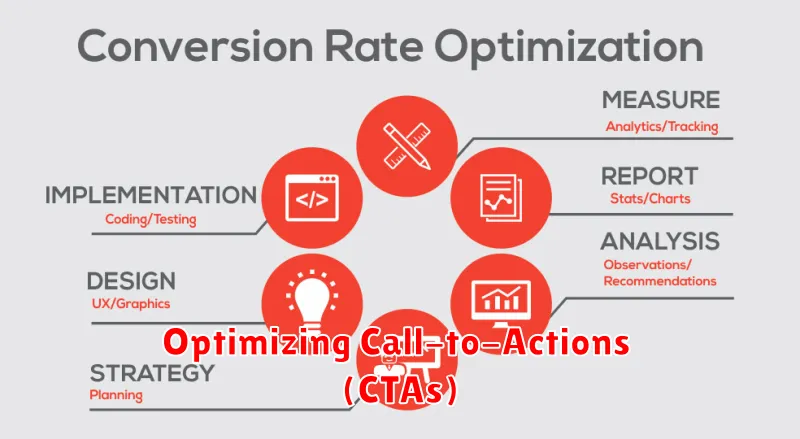
Call-to-actions (CTAs) are crucial for converting website visitors into paying customers. A well-optimized CTA compels users to take the desired action, whether it’s making a purchase, signing up for a newsletter, or requesting a quote.
To optimize your CTAs, focus on strong verbs. Instead of “Learn More,” try “Get Started Now” or “Download Your Free Guide.” Clarity is key; ensure the CTA’s purpose is immediately apparent. Using action-oriented language directly encourages engagement.
Placement is critical. CTAs should be visible but not intrusive. Consider strategically placing them above the fold, near relevant content, or at the end of a compelling section. A/B testing different CTA designs, colors, and placements helps determine what resonates best with your audience.
The design of your CTA matters. Use contrasting colors to make it stand out, and ensure it’s visually appealing. Size and shape also play a role – a larger, more prominent button is generally more effective. Finally, always track your results using analytics to measure CTA performance and continuously improve your conversion rates.
The Role of Trust Signals in Online Sales
In the digital landscape, building trust is paramount to converting website visitors into paying customers. Trust signals are visual cues and elements that reassure potential buyers of your legitimacy and reliability.
These signals significantly impact the conversion rate. Without them, many visitors will hesitate to make a purchase, even if your product or service is excellent. Conversely, strong trust signals can significantly boost confidence and encourage immediate action.
Examples of effective trust signals include customer testimonials and reviews, security badges (e.g., SSL certificates), guarantees and warranties, a clearly displayed privacy policy, and contact information readily available on your website. Professional website design and high-quality product photography also contribute significantly to establishing credibility.
Integrating these trust-building elements strategically throughout your website creates a positive user experience, fostering confidence and ultimately leading to increased sales conversions.
How to Improve Website Navigation for Better UX

Intuitive navigation is crucial for converting website visitors into paying customers. A confusing site frustrates users and drives them away. Make sure your navigation is clear, concise, and easy to understand.
Clear labeling is essential. Use descriptive labels for menus and links, avoiding jargon or internal terminology. Visitors should instantly understand where a link will take them.
Logical site structure is key. Organize your content in a hierarchical manner, grouping related pages together. Use breadcrumb trails to help users understand their location within the website.
Consistent design enhances usability. Maintain a consistent style and placement for navigation elements throughout the site. This predictability helps users navigate with ease.
Mobile optimization is a must. Ensure your navigation is responsive and works seamlessly across all devices. Mobile users expect a smooth and easy experience.
Search functionality provides a crucial safety net. A robust search bar allows users to quickly find specific information, even if they can’t locate it through the main navigation.
User testing is invaluable. Test your navigation with real users to identify pain points and areas for improvement. Gather feedback to refine your website’s structure and flow.
By focusing on these aspects, you can significantly improve user experience (UX) and guide visitors towards conversion, ultimately increasing your sales.
Using A/B Testing to Optimize Conversions
A/B testing is a crucial element in maximizing your website’s conversion rate. It allows you to test different versions of your website elements—from headlines and call-to-actions (CTAs) to images and form fields—against each other to determine which performs better.
By systematically testing variations, you can identify what resonates most with your target audience. For example, you might test different headline copy to see which drives more clicks, or experiment with variations in button color and placement to improve CTA effectiveness.
Key benefits of A/B testing include data-driven decision-making, continuous improvement of your website’s performance, and an increase in conversion rates. It’s an iterative process, with each test providing valuable insights that inform future iterations.
Implementing A/B testing involves selecting a key metric (e.g., conversion rate, click-through rate), defining variations of the element you want to test, running the test with a statistically significant sample size, and analyzing the results to determine the winning variation.
Tools like Google Optimize or VWO (Visual Website Optimizer) can facilitate the process, automatically managing the traffic split and providing data analysis. Remember to maintain a consistent testing methodology and always focus on testing one variable at a time to ensure accurate results and avoid confounding variables.
How Live Chat and Chatbots Improve Sales

Live chat and chatbots are powerful tools for boosting sales by providing immediate customer support and engagement. They address visitor queries instantly, reducing bounce rates and improving the overall website experience.
Chatbots can handle routine inquiries, freeing up human agents to focus on complex issues and high-value interactions. This efficient allocation of resources leads to improved customer satisfaction and increased sales conversion rates.
The ability to engage visitors in real-time, answer their questions, and guide them through the sales funnel is a key advantage. Live chat, in particular, allows for personalized assistance, building rapport and trust with potential customers.
By proactively offering assistance and addressing concerns, live chat and chatbots effectively nurture leads and guide them toward purchasing decisions. They transform casual website visitors into qualified leads and ultimately, paying customers.
Data collected from chat interactions can be invaluable for understanding customer needs and preferences, informing future marketing strategies and product development. This data-driven approach further enhances sales optimization.
The Importance of Page Speed and Mobile Optimization
In today’s fast-paced digital world, page speed and mobile optimization are paramount for converting website visitors into paying customers. Slow loading times lead to high bounce rates, frustrating potential customers and hindering conversions.
Mobile optimization is equally critical. With a significant portion of online traffic originating from mobile devices, a website that isn’t mobile-friendly will likely lose a large segment of its potential customer base. A poorly optimized mobile experience results in a negative user experience, driving visitors away and diminishing conversion rates.
Fast loading speeds and a responsive design improve user experience, leading to increased engagement, longer session durations, and ultimately, higher conversion rates. Investing in these areas is not just about improving website aesthetics but about directly impacting your bottom line.
Therefore, prioritizing page speed optimization and mobile responsiveness is crucial for any business aiming to maximize its online sales and achieve its revenue goals.
