
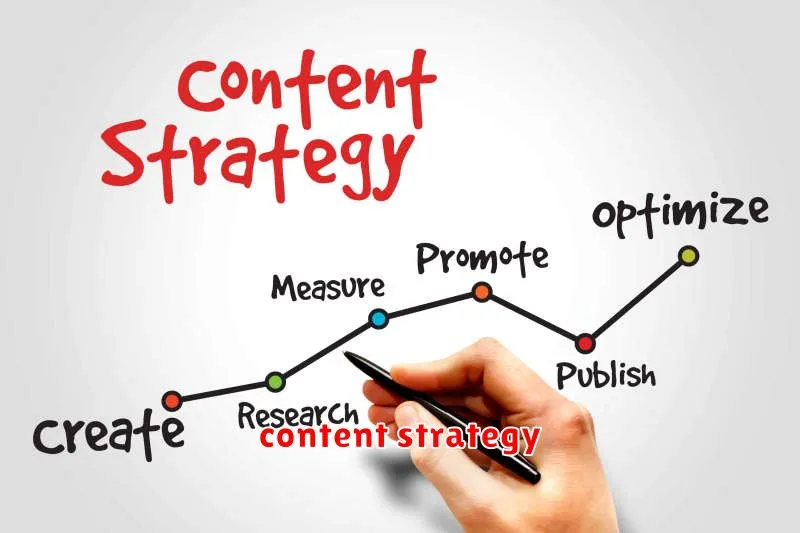
Are you struggling to generate leads and sales through your online presence? Effective content marketing is the key to unlocking your business’s full potential. This article will guide you through the process of creating high-converting content, from understanding your target audience and defining clear goals to mastering SEO best practices and analyzing your results. Learn how to develop a winning content strategy that drives engagement, boosts brand awareness, and ultimately converts prospects into loyal customers. Discover the secrets to crafting compelling copy, choosing the right content formats, and leveraging data-driven insights to maximize your return on investment (ROI).
What is Content Marketing?
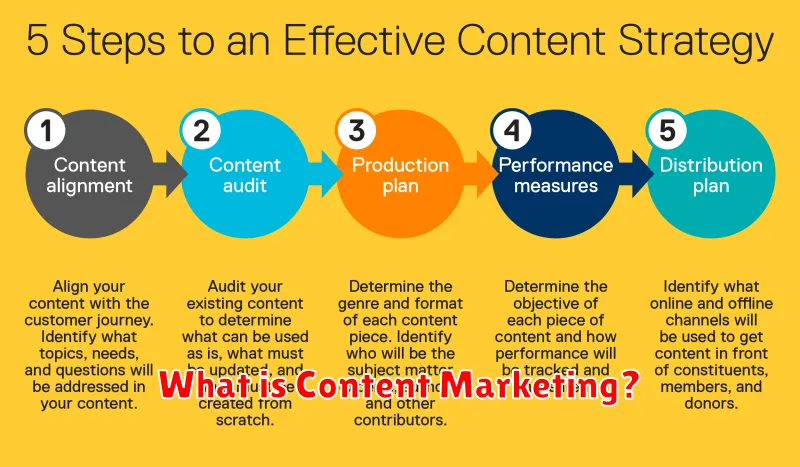
Content marketing is a strategic marketing approach focused on creating and distributing valuable, relevant, and consistent content to attract and retain a clearly defined audience — and, ultimately, to drive profitable customer action.
Unlike traditional marketing that often uses disruptive advertising, content marketing aims to provide value to the target audience. This value can take many forms, including informative blog posts, engaging videos, insightful ebooks, or helpful infographics. The goal is to establish your brand as a trusted authority in your industry, fostering relationships with potential customers and building loyalty.
Effective content marketing is not about selling directly; it’s about educating, entertaining, and engaging your audience. By consistently providing valuable content, you attract and retain customers organically, leading to increased brand awareness, lead generation, and ultimately, conversions.
The Importance of Storytelling in Marketing
In today’s saturated market, storytelling is no longer a luxury but a necessity for effective content marketing. It allows you to connect with your audience on a deeper, more emotional level than traditional marketing techniques.
Instead of simply listing features and benefits, a compelling narrative helps build trust and brand loyalty. By sharing relatable experiences and evoking emotions, storytelling makes your brand more memorable and increases the likelihood of conversion.
A well-crafted story resonates with potential customers, fostering a sense of community and belonging. It positions your brand not just as a provider of goods or services, but as a fellow traveler on their journey, offering solutions to their problems and aspirations.
Authenticity is key. Consumers can easily spot inauthenticity, so ensure your brand story is genuine and reflects your company’s values. This authenticity, combined with a powerful narrative, can significantly impact conversion rates and build a loyal customer base.
Ultimately, effective storytelling in marketing translates into increased engagement, improved brand recall, and a stronger return on investment. It’s not just about selling a product; it’s about forging meaningful connections that lead to lasting customer relationships.
How to Write SEO-Friendly Blog Posts
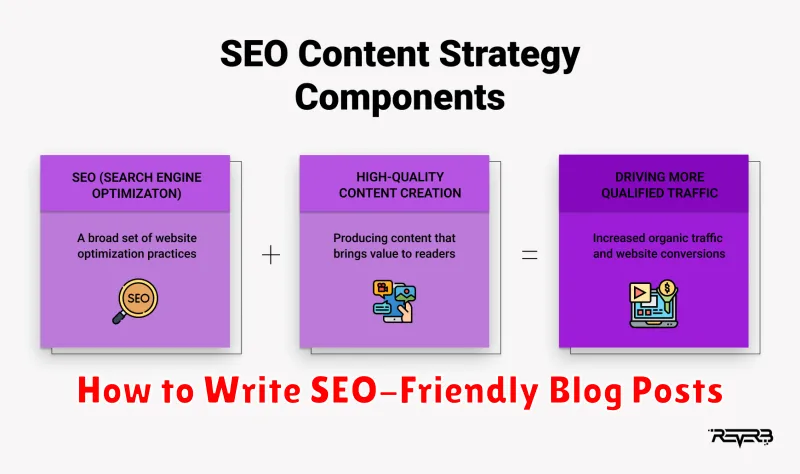
Creating SEO-friendly blog posts is crucial for content marketing success. It ensures your content reaches the right audience organically.
Begin by conducting thorough keyword research. Identify relevant keywords with decent search volume but low competition. Utilize tools like Google Keyword Planner or SEMrush.
Incorporate your keywords naturally throughout your post. Don’t stuff keywords; focus on creating high-quality, readable content. Use keywords in your title, headings (H1-H6), meta description, and image alt text.
Optimize your blog post structure for readability. Use short paragraphs, headings, subheadings, bullet points, and images to break up large chunks of text. This improves user experience and SEO.
Craft a compelling meta description. This is the snippet of text that appears below your title in search results. Make it concise and enticing to encourage clicks.
Promote your blog post across various channels to increase its visibility and reach. This could include social media sharing, email marketing, and guest posting.
Finally, monitor your results. Use Google Analytics or other analytics platforms to track your blog post’s performance and make necessary adjustments to your SEO strategy.
Using Visuals and Infographics to Enhance Content
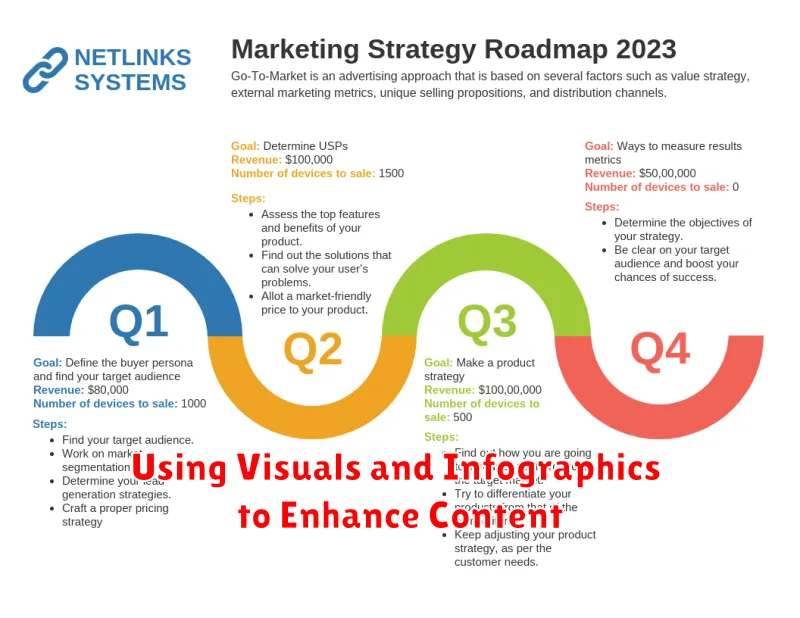
In today’s fast-paced digital landscape, visual content plays a crucial role in captivating audiences and driving conversions. People are more likely to engage with and remember information presented visually, rather than solely through text.
Infographics are particularly effective for conveying complex data or processes in an easily digestible format. By transforming data points into visually appealing charts and graphs, you can significantly improve reader comprehension and retention. This makes them ideal for explaining key statistics or research findings in a compelling way.
Beyond infographics, incorporating other visual elements such as high-quality images, videos, and short animated explainer clips can dramatically increase user engagement. These visuals should always be relevant to the content, enhancing understanding and creating a more immersive user experience.
Remember to optimize your visuals for different platforms. Ensure images are appropriately sized and formatted for web viewing, and that videos are easily accessible and mobile-friendly. Consider using a consistent visual style to create a cohesive brand identity.
By strategically incorporating visuals and infographics into your content strategy, you can significantly improve readability, engagement, and ultimately, your conversion rates. This makes them an indispensable tool for any successful content marketing campaign.
How to Create Viral Content on Social Media
Creating viral content isn’t about luck; it’s a strategic blend of understanding your audience and crafting compelling content. Understanding your audience is paramount. Knowing their interests, pain points, and preferred platforms allows you to tailor your message for maximum impact.
High-quality visuals are essential. Eye-catching images and videos instantly grab attention in the crowded social media landscape. Consider using professional-quality photos or videos, or employing engaging design elements.
Emotional resonance is key. Content that evokes strong emotions – joy, sadness, anger, surprise – is more likely to be shared. Tap into current events or trending topics to increase relevance and engagement.
Keep it concise and shareable. Short, impactful messages are more effective than lengthy ones. Ensure your content is easy to digest and encourages users to share it with their networks. Use clear calls to action.
Utilize relevant hashtags. Appropriate hashtags increase the visibility of your content, allowing it to reach a wider audience. Research popular and relevant hashtags to maximize your reach.
Engage with your audience. Respond to comments and messages promptly, fostering a sense of community and encouraging further interaction. Active engagement significantly boosts virality.
Consistency is crucial. Regular posting keeps your audience engaged and increases your chances of creating viral content. Develop a content calendar to maintain a consistent posting schedule.
Analyze and adapt. Track the performance of your content using social media analytics. Identify what works and what doesn’t, and adjust your strategy accordingly. Continuous optimization is vital for long-term success.
Repurposing Content for Different Platforms
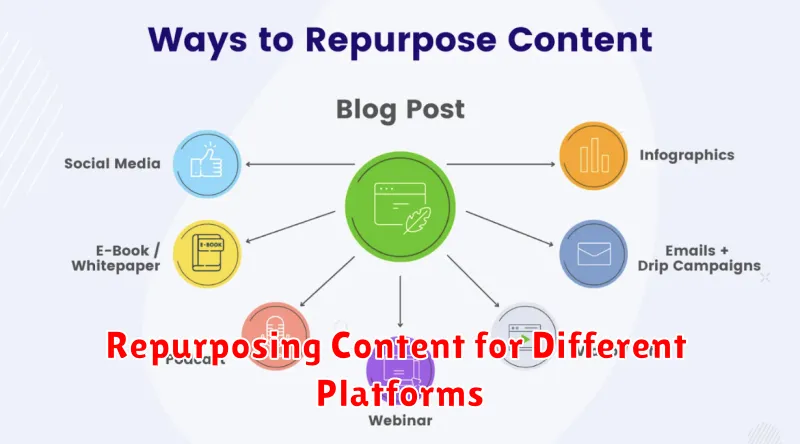
Repurposing content is crucial for maximizing your content’s reach and impact. Instead of creating entirely new content for each platform, strategically adapt existing material to suit different audiences and formats.
A blog post can be transformed into a series of social media posts, highlighting key takeaways. Infographics can be extracted from longer articles for visual platforms like Pinterest. Podcast episodes can be transcribed into blog posts or bite-sized social media snippets.
Consider the unique characteristics of each platform when repurposing. For example, videos perform well on platforms like YouTube and Instagram, while LinkedIn thrives on long-form text content. Tailoring your message to the platform’s audience and style ensures better engagement.
Effective repurposing saves time and resources while extending your content’s lifespan. By strategically adapting your message, you can reach a broader audience and maximize your content’s conversion potential.
Building Authority with Long-Form Content
Long-form content, typically exceeding 1,000 words, plays a crucial role in building authority within your niche. It demonstrates a deep understanding of your subject matter, providing readers with comprehensive information and valuable insights.
By offering in-depth analysis and addressing complex topics, you establish yourself as a thought leader. This comprehensive approach fosters trust and credibility, positioning your brand as a reliable source of information.
SEO benefits are significant. Long-form content tends to rank higher in search engine results pages (SERPs) due to its higher word count and comprehensive nature. This increased visibility drives more organic traffic to your website.
Moreover, long-form content allows for more opportunities to incorporate keywords naturally and effectively, further boosting SEO performance. It offers diverse ways to structure the content, including using various content formats like lists, tables, and videos. This diversity improves user engagement and dwell time on the site.
Ultimately, the creation of high-quality, in-depth content strengthens your brand reputation, positions you as an expert, and generates leads, ultimately contributing to conversions.
Measuring Content Marketing Success
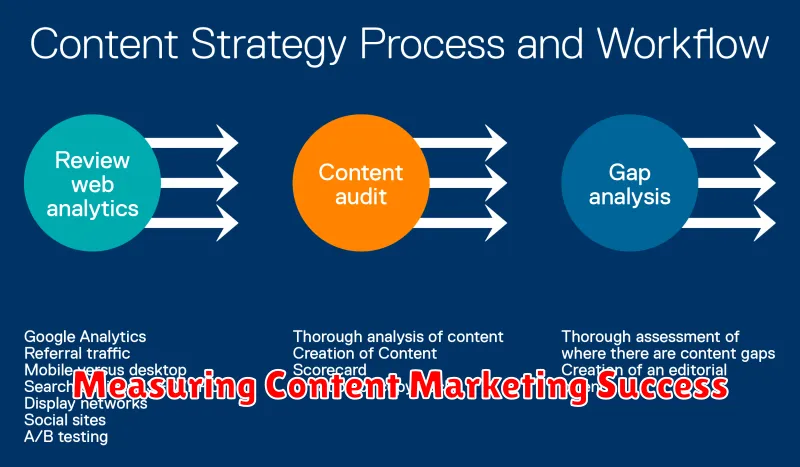
Measuring the success of your content marketing efforts requires a multifaceted approach. It’s not enough to simply look at vanity metrics like website visits. Instead, focus on key performance indicators (KPIs) that directly relate to your business goals.
Website traffic is important, but more valuable is analyzing traffic quality. Are visitors engaging with your content? Are they spending significant time on your pages? High bounce rates suggest problems with content relevance or user experience. Use tools like Google Analytics to track these metrics.
Conversion rates are crucial. What actions do you want your content to drive? Are you aiming for newsletter sign-ups, product purchases, or lead generation? Track these conversions meticulously and attribute them to specific content pieces to understand their effectiveness.
Lead generation should be a primary focus. Monitor the number of qualified leads generated through your content, and analyze their source. This helps optimize content strategies for maximum lead capture.
Social media engagement provides valuable insight. Monitor likes, shares, comments, and retweets. High engagement suggests your content resonates with your target audience. This data can inform future content creation.
Finally, brand awareness and customer loyalty are long-term goals achieved through consistent, high-quality content. Track mentions, brand searches, and customer feedback to assess progress in these areas.
By tracking these KPIs and analyzing the data, you can effectively measure your content marketing success, make data-driven improvements, and ultimately create content that converts.
