
Launching a successful online business requires a robust e-commerce platform. Choosing the right one among the myriad of options available is crucial for your growth and profitability. This article explores the best e-commerce platforms for starting an online business, considering factors like ease of use, scalability, pricing, and features to help you select the ideal solution for your unique needs and propel your online store to success. We will analyze top contenders to guide you in making an informed decision for your e-commerce venture.
How to Choose the Right E-commerce Platform
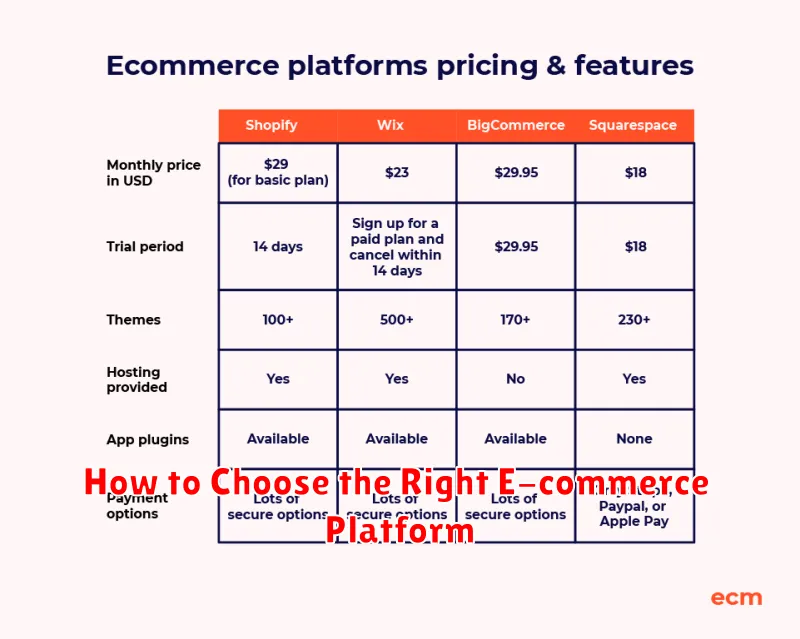
Selecting the right e-commerce platform is crucial for online business success. Your choice should align with your business needs, budget, and future goals.
Consider these key factors: Scalability: Can the platform handle growth in products and sales? Ease of use: Is the platform intuitive and easy to manage? Features: Does it offer necessary tools like inventory management, payment gateways, and marketing integrations? Pricing: Are the fees transparent and affordable? Customization: Can you tailor the platform to your brand’s aesthetic and functionality needs?
Begin by outlining your business requirements. What type of products will you sell? What level of customization do you need? What’s your budget? Research different platforms, comparing their features and pricing models. Many offer free trials or demos, allowing you to test before committing. Don’t hesitate to seek advice from other business owners or consult with e-commerce experts.
Choosing the right platform is a significant decision impacting your online store’s efficiency and long-term viability. Thorough research and careful consideration of your business needs will ensure you select a platform that supports your growth and success.
Shopify vs WooCommerce vs Magento: A Comparison
Choosing the right e-commerce platform is crucial for online business success. Shopify, WooCommerce, and Magento are three popular options, each with its strengths and weaknesses.
Shopify offers a user-friendly, all-in-one solution. Its ease of use and comprehensive features make it ideal for beginners. However, it comes with a monthly subscription fee and transaction fees, potentially limiting profitability depending on sales volume. Shopify’s strength lies in its simplicity and speed of setup.
WooCommerce, a WordPress plugin, provides more flexibility and customization. It’s open-source, allowing for extensive modifications, but requires technical expertise for setup and maintenance. The cost is primarily determined by the chosen hosting and theme, offering a potentially more cost-effective solution in the long run, particularly for larger businesses. WooCommerce’s strength is its scalability and customization options.
Magento, a powerful and scalable enterprise-level platform, offers advanced features and extensive customization options. However, it’s complex to set up and manage, requiring significant technical skills and resources. It’s a suitable choice for large businesses with complex needs, but its high learning curve and potentially high cost may not be ideal for smaller businesses. Magento’s strength lies in its ability to handle massive catalogs and complex business operations.
Ultimately, the best platform depends on your specific needs, technical skills, and budget. Consider factors like ease of use, scalability, customization options, and cost before making a decision.
Best Platforms for Small Businesses and Startups
Choosing the right e-commerce platform is crucial for small businesses and startups. Ease of use, affordability, and scalability are key considerations. Several platforms excel in these areas.
Shopify offers a user-friendly interface, extensive app integrations, and various pricing plans to suit different budgets. It’s a strong choice for businesses needing flexibility and scalability.
Squarespace is ideal for businesses prioritizing aesthetically pleasing websites. Its intuitive drag-and-drop interface makes building a beautiful online store straightforward, though scalability might be limited for rapid growth.
Wix provides a similar user-friendly drag-and-drop builder to Squarespace, but with more extensive customization options. It’s a good option for businesses that need a high degree of control over their site’s design.
BigCommerce is a powerful platform better suited for businesses anticipating significant growth. While it offers a robust feature set, it may have a steeper learning curve than other options.
Ultimately, the best platform depends on your specific needs and resources. Consider factors like your budget, technical skills, and long-term business goals when making your decision. Carefully weigh the pros and cons of each platform before committing.
The Importance of Mobile Optimization in E-commerce
In today’s digital landscape, mobile optimization is no longer optional for e-commerce businesses; it’s essential. A significant portion of online shopping happens on smartphones and tablets, making a mobile-friendly website crucial for reaching your target audience and driving sales.
Poor mobile optimization can lead to high bounce rates, lost conversions, and a damaged brand reputation. Users expect a seamless and intuitive mobile experience. Slow loading times, difficult navigation, and unreadable text will quickly frustrate potential customers and drive them to competitors.
Optimizing your e-commerce platform for mobile involves several key elements. This includes ensuring your website is responsive (adapting to different screen sizes), using fast-loading images, implementing simple navigation, and offering a mobile-friendly checkout process. Investing in mobile optimization significantly improves user experience, increases conversion rates, and ultimately boosts your bottom line.
In short, mobile optimization is paramount for any e-commerce business seeking success in the competitive online marketplace. Ignoring this aspect will severely limit your reach and potential for growth.
How to Integrate Payment Gateways for Seamless Transactions
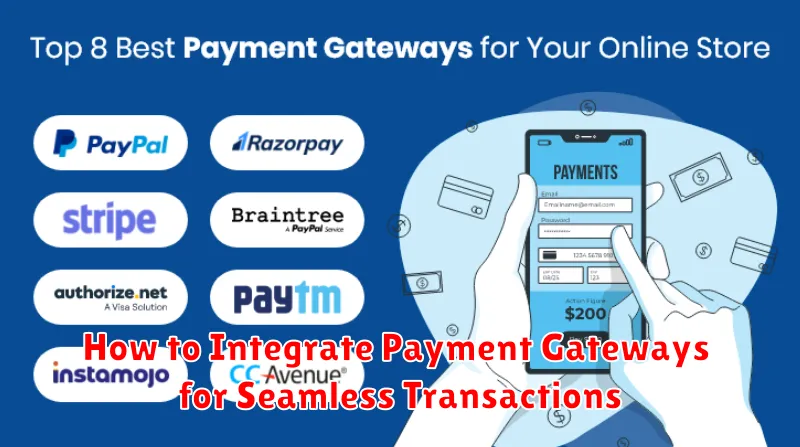
Integrating a payment gateway is crucial for a smooth e-commerce experience. The process generally involves selecting a reputable provider like Stripe, PayPal, or Square, based on your business needs and the platform you’ve chosen.
Most e-commerce platforms offer easy integration options. This often involves accessing your platform’s settings, navigating to the payment gateway section, and entering the necessary credentials provided by your chosen payment provider. You’ll typically need an API key or similar identifier.
After inputting the required information, test the integration thoroughly by processing a test transaction. This ensures all aspects are functioning correctly before making it live for your customers. Check for accurate charge amounts, smooth checkout processes, and proper order confirmations.
Once your testing is complete and you’re satisfied, activate the payment gateway for live transactions. Remember to regularly monitor your payment gateway activity for security and to ensure smooth processing of payments for a positive customer experience. Consider exploring different gateways to find one that best suits your specific needs and business model.
Using Third-Party Apps to Enhance E-commerce Features
Many e-commerce platforms offer robust features, but their functionality can be significantly expanded through the use of third-party apps. These apps provide access to specialized tools and integrations that address specific business needs, often exceeding the capabilities of the core platform.
Marketing and sales apps can automate email campaigns, run targeted advertising, and analyze customer behavior. Shipping and logistics apps streamline order fulfillment, integrate with carriers, and automate shipping label generation. Customer service apps enhance communication channels, providing live chat, help desk support, and automated responses.
Inventory management apps provide real-time tracking, automated alerts for low stock, and integration with suppliers. Payment gateway apps offer diverse payment processing options, including alternative payment methods, to cater to a wider customer base. Selecting the right apps is crucial; consider app reviews, compatibility with your chosen platform, and integration ease before installation.
By strategically leveraging third-party apps, e-commerce businesses can enhance their operational efficiency, improve customer experience, and ultimately drive sales growth. The ability to customize your platform through these extensions is a key advantage for achieving a competitive edge in the online marketplace.
How to Migrate from One Platform to Another
Migrating your e-commerce business from one platform to another requires careful planning and execution. Data backup is the crucial first step. Ensure you have a complete backup of your product catalog, customer data, order history, and website content. This backup serves as a safety net throughout the migration process.
Next, choose your new platform carefully, considering factors like scalability, features, and cost. Many platforms offer data import tools; explore these options to streamline the transfer of your information. If such tools are unavailable or inadequate, consider using a third-party migration service or hiring a developer for a custom solution.
Before launching your store on the new platform, conduct thorough testing. Verify that all products display correctly, the checkout process functions smoothly, and all features are operational. This testing phase is critical to identifying and resolving any issues before going live.
Finally, announce the migration to your customers. Inform them of any potential downtime or temporary disruptions and provide clear instructions on how to access the new website. Consider offering a small incentive to encourage them to explore the updated store.
Scaling Your E-commerce Store for Growth
Choosing the right e-commerce platform is crucial for scalability. As your business grows, you’ll need a platform that can handle increased traffic, orders, and inventory. Scalability isn’t just about adding more products; it’s about managing complexity and ensuring smooth operations.
Consider these factors when selecting a platform for growth: bandwidth capacity, storage options (for product images and data), integration capabilities (with shipping providers, payment gateways, and marketing tools), and customer support. Look for platforms that offer flexible pricing plans and easily customizable features to accommodate evolving needs.
Cloud-based platforms generally offer better scalability than self-hosted solutions. They automatically adjust resources based on demand, preventing performance bottlenecks during peak seasons or periods of rapid growth. This adaptability minimizes downtime and allows your business to expand efficiently without significant technical hurdles.
Ultimately, selecting a platform that prioritizes scalability from the outset significantly reduces the risk of technical limitations hindering your business expansion. Investing time in researching platform capabilities related to scaling will prove invaluable in the long run.
