

Are you looking to significantly boost your online sales and dominate the competitive landscape of e-commerce? This comprehensive guide delves into proven e-commerce strategies designed to help you achieve remarkable growth. We’ll explore effective tactics for optimizing your online store, attracting more customers, and converting them into loyal buyers. Learn how to leverage digital marketing, improve your customer experience, and implement data-driven decisions to skyrocket your revenue. Discover the secrets to successful e-commerce and unlock your business’s full potential.
Understanding Consumer Behavior in E-commerce
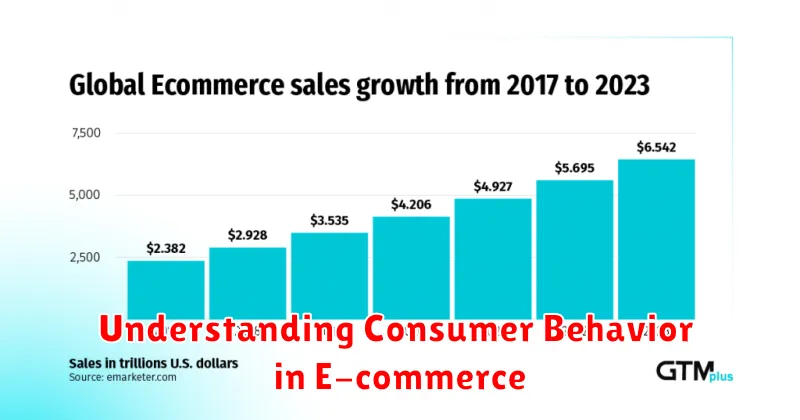
Understanding consumer behavior is crucial for boosting e-commerce sales. E-commerce shoppers are influenced by various factors, including convenience, price, product reviews, and online experience.
Convenience plays a significant role. Consumers appreciate easy navigation, secure payment options, and fast shipping. Pricing is another key driver; competitive pricing and discounts significantly impact purchasing decisions.
Social proof, in the form of product reviews and ratings, heavily influences purchasing decisions. Positive reviews build trust and encourage sales. A seamless and user-friendly online experience is essential to keep customers engaged and coming back.
Analyzing website analytics and customer data provides valuable insights into consumer behavior, allowing businesses to optimize their strategies for improved sales. Understanding what motivates online purchases is key to developing effective e-commerce strategies.
By focusing on these key aspects of consumer behavior, businesses can create a positive online shopping experience that increases sales and builds customer loyalty. Personalization, based on browsing history and preferences, further enhances the customer experience.
How to Optimize Product Pages for Higher Conversions
Optimizing product pages is crucial for boosting e-commerce sales. High-quality product images are essential; multiple angles and lifestyle shots are ideal. Compelling product descriptions should highlight key features and benefits, using strong action verbs and addressing customer needs.
Clear and concise calls to action (CTAs) are vital. Use strong verbs like “Buy Now” or “Add to Cart” and make them visually prominent. Customer reviews and ratings build trust and social proof; prominently display positive feedback.
Mobile optimization is non-negotiable. Ensure your product pages load quickly and are easy to navigate on all devices. Fast loading speeds are critical; optimize images and minimize unnecessary code.
Relevant keywords in product titles and descriptions improve search engine optimization (SEO), driving organic traffic. Structured data markup helps search engines understand your product information, leading to better visibility.
A/B testing different elements, such as images, descriptions, and CTAs, allows you to identify what resonates most with your audience and continuously improve your conversion rates. Regularly analyzing key performance indicators (KPIs) like conversion rates, bounce rates, and average order value provides valuable insights for ongoing optimization.
The Role of Reviews and Testimonials in Sales
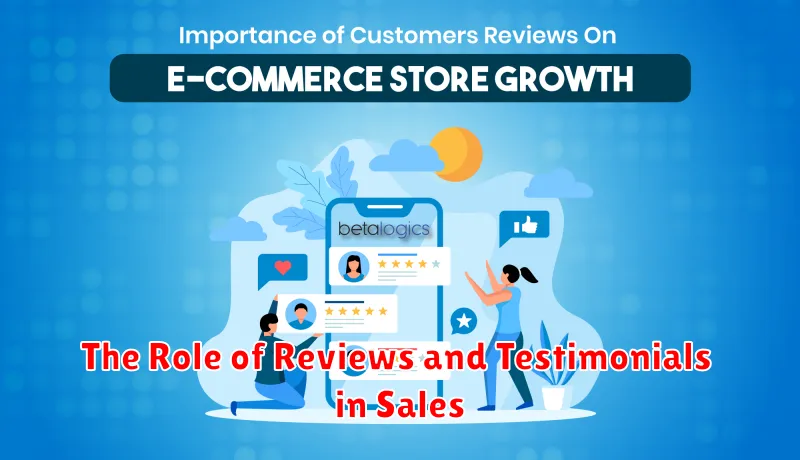
In the competitive landscape of e-commerce, customer reviews and testimonials play a crucial role in boosting sales. They serve as powerful social proof, influencing potential buyers’ purchasing decisions.
Positive reviews build trust and credibility. They showcase the quality of your products or services and alleviate concerns about risk. Conversely, negative reviews, if addressed appropriately, demonstrate your commitment to customer satisfaction.
Testimonials, particularly from influential individuals or satisfied customers, provide authentic endorsements. They add a personal touch, making your brand more relatable and trustworthy. Highlighting both star ratings and detailed reviews enhances the impact of your social proof.
Strategically showcasing reviews and testimonials on your website, product pages, and marketing materials can significantly improve your conversion rates. Consider using review platforms and integrating them seamlessly into your online store.
Actively soliciting and responding to customer feedback is vital. This engagement demonstrates your care and commitment, further strengthening customer relationships and driving positive word-of-mouth marketing.
Using Email Marketing to Retarget Customers
Retargeting customers via email marketing is a highly effective strategy to boost online sales. It involves sending targeted emails to individuals who have previously interacted with your e-commerce website but haven’t completed a purchase.
Segmentation is key. Divide your audience into groups based on browsing history, abandoned carts, or previous purchases. This allows for personalized messaging that resonates with each segment’s specific needs and interests. For example, a customer who abandoned their cart might receive an email with a reminder of their items and a discount code to incentivize completion.
Email automation streamlines the process. Set up automated email sequences triggered by specific customer actions. These sequences can include welcome emails, abandoned cart reminders, post-purchase follow-ups, and win-back campaigns for inactive customers.
Compelling content is crucial. Emails should be visually appealing, concise, and feature a clear call to action (CTA). Highlight product benefits and use high-quality images or videos to engage recipients. A/B testing different subject lines and email designs can optimize conversion rates.
By strategically leveraging email marketing for retargeting, e-commerce businesses can significantly improve customer engagement, increase conversion rates, and ultimately drive higher sales.
Social Media Strategies for E-commerce

Effective social media strategies are crucial for boosting e-commerce sales. A multi-platform approach, leveraging platforms like Instagram, Facebook, TikTok, and Pinterest, is key to reaching a wider audience.
High-quality visuals are paramount. Showcase products through compelling photos and videos, highlighting their features and benefits. Consider using user-generated content to build trust and authenticity.
Engaging content is essential. Run contests, polls, and Q&A sessions to foster interaction. Use relevant hashtags to increase visibility and reach a broader audience. Consistent posting is also vital to maintain audience engagement.
Targeted advertising allows you to reach specific demographics and interests. Utilize social media’s advertising platforms to efficiently reach potential customers. Track your results and optimize your campaigns for maximum impact.
Influencer marketing can significantly boost brand awareness and drive sales. Partner with relevant influencers to promote your products to their engaged audience. Measure your ROI on all social media efforts to gauge effectiveness and inform future strategies.
The Importance of Mobile Optimization
In today’s digital landscape, mobile optimization is no longer optional; it’s essential for e-commerce success. A significant portion of online shopping now occurs on smartphones and tablets, making a mobile-friendly website crucial for capturing a large market share.
Improved user experience is paramount. A mobile-optimized website ensures easy navigation, quick loading times, and a seamless checkout process, leading to increased customer satisfaction and conversion rates. Poor mobile experience, conversely, can lead to high bounce rates and lost sales.
Enhanced SEO (Search Engine Optimization) is another key benefit. Search engines prioritize mobile-friendly websites in their rankings, meaning a well-optimized mobile site improves your visibility and organic search traffic, driving more potential customers to your online store.
Increased sales and revenue are the ultimate goals. By providing a positive mobile shopping experience, you increase the likelihood of customers completing purchases, ultimately boosting your bottom line. Ignoring mobile optimization directly impacts your ability to compete effectively and reach your full sales potential.
Therefore, investing in mobile optimization is not simply a trend; it’s a strategic necessity for any e-commerce business aiming for sustained growth and profitability.
How to Use Discounts and Promotions Effectively
Effective use of discounts and promotions is crucial for boosting e-commerce sales. Strategic planning is key; avoid haphazard discounting. Consider your profit margins and ensure discounts are aligned with your business goals.
Target your promotions. Segment your customer base and tailor offers to specific demographics or buying behaviors. This ensures maximum impact and minimizes wasted resources. For example, offer discounts to loyal customers or those who haven’t purchased recently.
Promote your offers effectively. Utilize various marketing channels including email, social media, and website banners. Clearly communicate the value proposition of the discount and create a sense of urgency to encourage immediate purchase.
Analyze and refine your strategies. Track the performance of your promotions, monitoring key metrics such as conversion rates and return on investment (ROI). Use this data to optimize future campaigns and improve overall effectiveness. Continuous improvement is key to long-term success.
Consider alternative promotions beyond simple percentage discounts. Explore options like free shipping, bundled offers, or loyalty programs to incentivize purchases and foster customer loyalty. A diverse range of offers can appeal to a wider customer base.
Analyzing Data to Improve Sales Performance
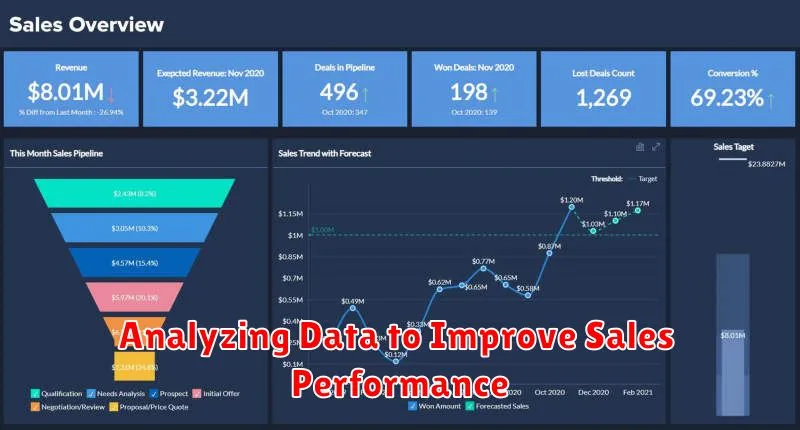
Analyzing data is crucial for boosting e-commerce sales. Key performance indicators (KPIs) like conversion rates, average order value (AOV), and customer acquisition cost (CAC) provide valuable insights.
Website analytics reveal user behavior, identifying areas needing improvement. For example, high bounce rates might indicate poor website design or confusing navigation. Analyzing product performance data helps understand which items sell best and which underperform, informing inventory management and marketing strategies.
Customer segmentation based on purchase history and demographics allows for targeted marketing campaigns. This personalized approach improves customer engagement and increases sales. Marketing campaign analysis determines which channels (e.g., email, social media) are most effective, optimizing resource allocation for maximum ROI.
By consistently monitoring and analyzing data, e-commerce businesses can identify trends, patterns, and opportunities for improvement. This data-driven approach enables informed decision-making, leading to increased sales and enhanced profitability.
