
Writing compelling product descriptions is crucial for boosting sales. This guide will equip you with the proven strategies to craft high-converting product descriptions that not only showcase your products’ features and benefits but also resonate with your target audience, driving increased conversions and ultimately, growing your business. Learn how to write effective product descriptions that highlight key selling points, engage readers, and ultimately persuade them to make a purchase. Discover the secrets to writing product copy that sells!
The Psychology Behind Effective Product Descriptions
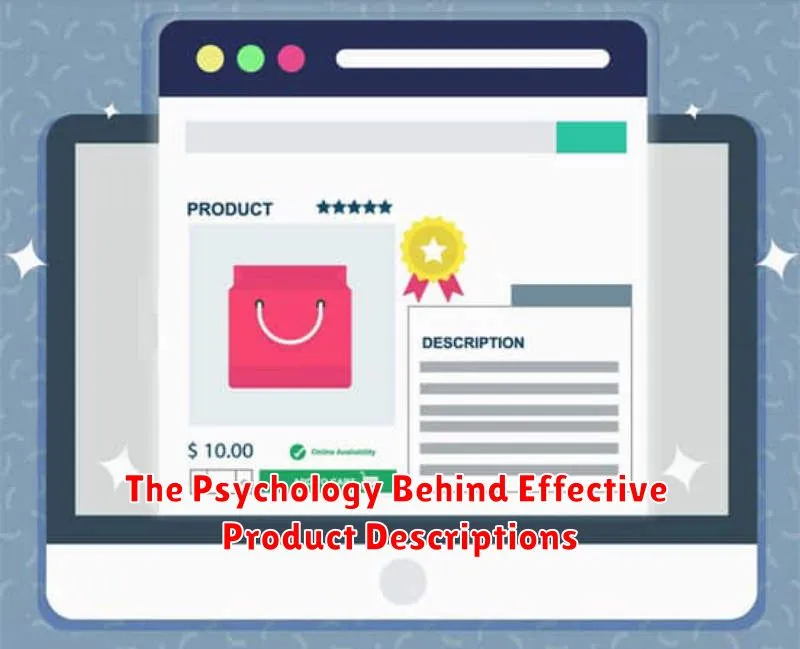
Effective product descriptions leverage several key psychological principles to drive sales. Understanding customer needs is paramount; descriptions should address pain points and highlight how the product offers a solution. This taps into the principle of problem/solution selling.
Emotional connection is crucial. Instead of just listing features, evoke feelings associated with using the product. For instance, describing a comfortable chair as “sink into blissful relaxation” is more persuasive than simply stating its dimensions and materials. This uses emotional appeals to resonate with the reader on a deeper level.
Social proof plays a significant role. Including customer reviews and testimonials builds trust and credibility. People are more likely to purchase a product if others have had positive experiences. This leverages the bandwagon effect and the principle of social influence.
Clarity and conciseness are essential. Avoid jargon and overly technical language. Use strong verbs and active voice to create a compelling narrative. Simplicity makes the product easily understandable and increases the likelihood of purchase.
Finally, a strong call to action (CTA) is vital. Directly encourage the customer to purchase the product with clear and concise instructions. This eliminates any hesitation and guides the customer towards the desired outcome.
How to Highlight Product Benefits Over Features
Instead of simply listing features (e.g., “1080p camera,” “500GB storage”), focus on the resulting benefits for the customer. A 1080p camera allows for crisp, clear video recordings, perfect for capturing memories. 500GB of storage means you can store thousands of photos and videos without worrying about running out of space.
Use strong action verbs and highlight how the product improves the customer’s life. For example, instead of “durable materials,” write “Withstands daily wear and tear, lasting longer than the competition.” Instead of “lightweight design,” describe how it provides effortless portability and all-day comfort.
Emphasize the emotional connection. What problem does the product solve? How does it make the customer feel? Does it save them time, reduce stress, or enhance their enjoyment? Focus on the positive outcomes and the value proposition.
Ultimately, translate technical specifications into tangible results and experiences that resonate with your target audience. This approach will make your product descriptions more persuasive and effective.
Using SEO Techniques in Product Descriptions
Optimizing product descriptions for search engines is crucial for boosting visibility and driving sales. Keyword research is the foundational step. Identify relevant keywords and long-tail keywords that customers use when searching for similar products. Incorporate these keywords naturally throughout the description, focusing on product features and benefits.
On-page SEO techniques are essential. Use keywords in your product title and meta description to improve click-through rates from search engine results pages (SERPs). Ensure your descriptions are concise, informative, and accurately reflect the product. Employ HTML headings (H1-H6) to structure the text, making it easily scannable for both users and search engines. This improves readability and SEO.
Beyond keywords, focus on creating high-quality content. Write compelling descriptions that highlight the unique selling propositions (USPs) of your product. Use persuasive language to engage potential customers and encourage conversions. Remember that user experience (UX) is paramount; a well-written, informative description is more likely to rank higher and convert better than a keyword-stuffed one.
The Importance of Storytelling in Sales Copy
Storytelling is crucial in sales copy because it connects with readers on an emotional level. Instead of simply listing features, a compelling narrative creates a bond, making your product relatable and memorable.
By weaving a story around your product, you can showcase its value proposition more effectively. A good narrative highlights the problem your product solves and demonstrates its benefits in a tangible, human way.
Furthermore, stories help build trust and credibility. They allow potential customers to see themselves using your product and experiencing the positive outcomes. This emotional connection is far more powerful than a list of specifications.
Ultimately, effective storytelling in sales copy leads to increased engagement, improved conversion rates, and stronger brand loyalty. It transforms a simple product description into a persuasive experience.
Creating Persuasive Call-to-Actions (CTAs)
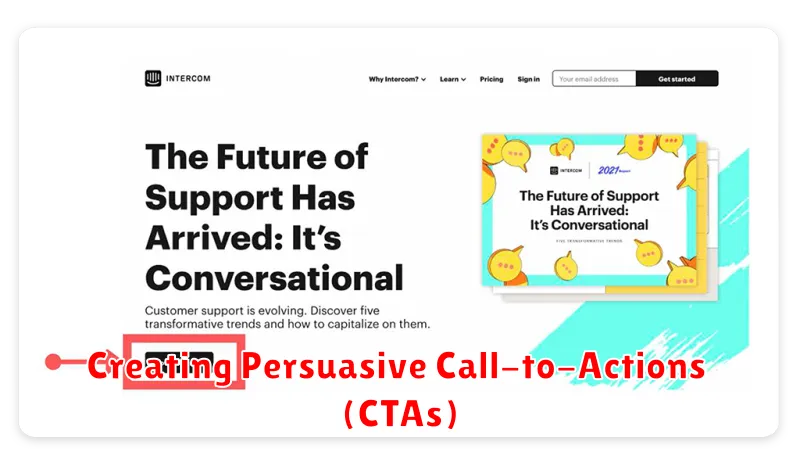
A compelling call-to-action (CTA) is crucial for converting readers into customers. Your CTA should be clear, concise, and directly related to the product description’s benefits.
Instead of generic phrases like “Learn More,” use action-oriented verbs. Examples include “Shop Now,” “Get Yours Today,” “Add to Cart,” or “Start Your Free Trial.” Tailor the CTA to the specific offer and your target audience.
Placement matters. Strategically position your CTA at the end of the description and consider adding a secondary CTA further up for increased visibility. Make it visually distinct using a contrasting color or button design to draw attention.
Urgency and scarcity can boost conversion rates. Consider adding phrases like “Limited Time Offer” or “While Supplies Last” to motivate immediate action. However, ensure these are genuine to maintain trust.
Finally, test different CTAs to optimize performance. A/B testing allows you to identify which phrasing and design elements resonate most effectively with your audience, maximizing your conversion rate.
Using Customer Testimonials to Build Trust
Customer testimonials are powerful tools for building trust and credibility with potential buyers. They provide social proof, demonstrating that your product or service delivers on its promises.
To maximize their impact, select testimonials that are specific and concise. Focus on testimonials that highlight key benefits and address common customer concerns. Include the customer’s name (with permission) and, if possible, their location or profession to add further authenticity.
Consider using a variety of testimonials to showcase diverse experiences. For example, include testimonials from different customer segments or those highlighting different product features. A strong visual element such as a customer photo can further enhance credibility.
Strategically place testimonials throughout your product descriptions, particularly near sections that address potential objections or highlight key selling points. Remember to always obtain explicit permission before using any customer testimonial.
How to Format Product Pages for Better Readability
Clear headings and subheadings break up large blocks of text, making it easier for customers to scan and find the information they need. Use a hierarchy of headings (H1, H2, H3, etc.) to structure your content logically.
Bullet points and numbered lists are excellent for highlighting key features and benefits. They improve readability by presenting information in a concise and digestible format. Use them to list specifications, advantages, or steps in a process.
White space is crucial. Avoid cramped text. Use ample spacing between paragraphs, headings, and images to create a clean and uncluttered layout that is easy on the eyes.
Font size and style matter. Choose a legible font size (at least 12pt) and a clear, easy-to-read typeface. Avoid excessive use of bold or italic formatting, reserving it for emphasis only.
Short paragraphs are preferable to long ones. Keep paragraphs concise and focused on a single idea to maintain reader engagement and comprehension. Aim for paragraphs of 3-4 sentences at most.
High-quality images complement your text and make the page more visually appealing. Ensure images are appropriately sized and optimized for fast loading times. Use alt text for accessibility.
Mobile responsiveness is essential. Your product page must be easily readable and navigable across all devices, from desktops to smartphones and tablets. Ensure your formatting adapts seamlessly to different screen sizes.
Common Mistakes to Avoid in Product Copywriting
One common mistake is generic language. Avoid clichés and vague terms; instead, use specific, vivid language that highlights your product’s unique benefits. Focus on the customer’s needs and desires, not just the features.
Another frequent error is neglecting the call to action (CTA). A clear, concise CTA, such as “Buy Now” or “Learn More,” guides customers towards the desired action. Don’t assume they know what to do next.
Ignoring SEO best practices is detrimental. Incorporate relevant keywords naturally within your copy to improve search engine visibility and attract potential customers organically. However, avoid keyword stuffing, which can negatively impact readability and search rankings.
Many also fail to tailor their copy to the target audience. Understand your customer’s pain points, aspirations, and language to create copy that resonates with them personally. Generic messaging rarely converts.
Finally, overlooking proofreading and editing is a major oversight. Errors in grammar and spelling undermine credibility and professionalism. Always review and revise your copy before publishing.
