
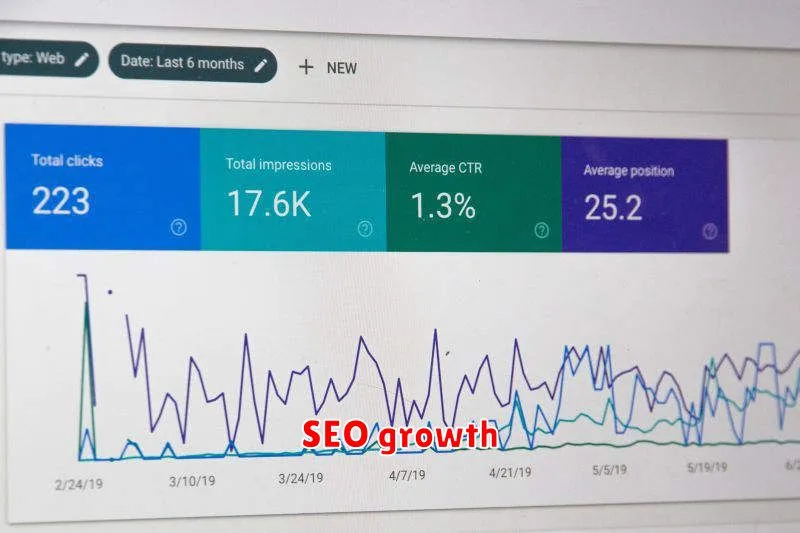
Are you ready to take your search engine optimization (SEO) to the next level? This comprehensive guide delves into advanced SEO techniques that go beyond the basics, providing you with the strategies you need to dominate search rankings. We’ll explore cutting-edge strategies like advanced keyword research, technical SEO optimization, link building mastery, and content optimization for maximum impact, enabling you to achieve top search engine rankings and drive significant organic traffic to your website. Learn how to leverage these powerful SEO techniques and gain a competitive advantage in today’s digital landscape.
Understanding Google’s Algorithm Updates
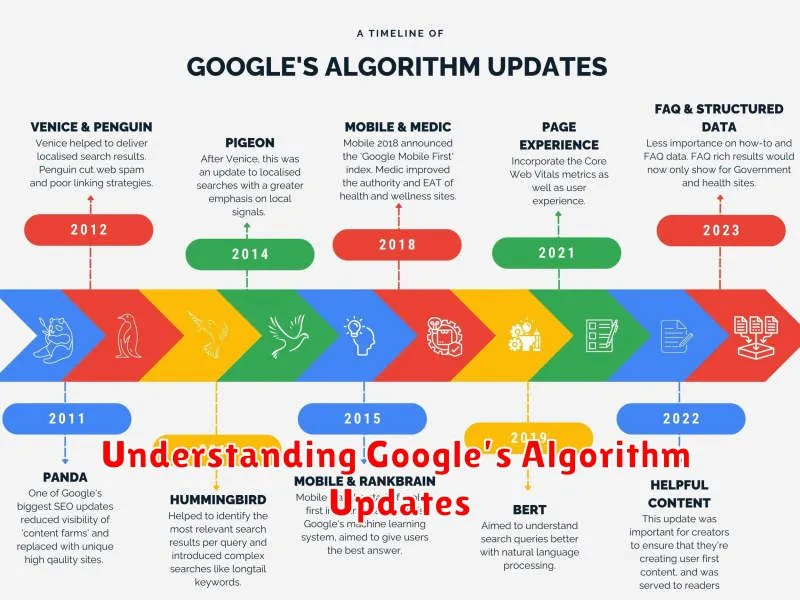
Google’s algorithm is constantly evolving to provide users with the most relevant and high-quality search results. Understanding these updates is crucial for SEO success.
Algorithm updates often target specific issues, such as keyword stuffing, thin content, or manipulative link building. These updates aim to improve search quality and penalize websites employing black hat SEO techniques.
Staying informed about algorithm changes requires monitoring Google’s official announcements and reputable SEO news sources. Analyzing search traffic data after an update can highlight areas for improvement on your website.
Adapting to algorithm changes involves focusing on creating high-quality, relevant content that meets user needs. Building a strong, natural backlink profile, and ensuring your website is technically sound are also key.
By understanding the reasons behind algorithm updates and adapting your SEO strategy accordingly, you can improve your website’s ranking and visibility in search results.
How to Optimize for Featured Snippets
Featured snippets are highly coveted real estate on the search engine results page (SERP), appearing above organic results and often driving significant click-through rates. Optimizing for them requires a strategic approach focusing on providing concise, direct answers to common search queries.
Keyword Research is paramount. Identify questions users frequently ask related to your niche. Use tools like Google’s Keyword Planner, Ahrefs, or SEMrush to uncover these question-based keywords.
Content Structure plays a crucial role. Format your content to make it easily scannable and answer the question directly and comprehensively. Use headings (H2, H3, etc.), bullet points, and numbered lists to improve readability. Schema markup, specifically FAQPage or HowTo schema, can help search engines understand your content’s structure and improve your chances of being featured.
Content Quality remains king. Ensure your answer is accurate, complete, and authoritative. Use clear, concise language, avoiding jargon or overly technical terms. Long-tail keywords (more specific, question-based keywords) often perform better for featured snippets.
Content Format matters. Search engines often pull featured snippets from various content formats, including paragraphs, lists, and tables. Experiment with different formats to see what works best for your keywords. A concise, well-written answer is key.
Monitor and Adapt your strategy. Track your performance using Google Search Console to identify which keywords are triggering featured snippets and which are not. Continuously refine your content based on these insights.
Using Schema Markup for Better Visibility

Schema markup is a crucial advanced SEO technique to significantly boost your website’s visibility in search engine results pages (SERPs). By adding structured data to your website’s HTML, you provide search engines with a clearer understanding of your content.
This structured data, written in a format search engines understand (like JSON-LD), helps them better categorize your content and display it more prominently. For example, using schema markup for product pages can result in rich snippets, showing key details like price, ratings, and availability directly in the search results, significantly increasing click-through rates.
Implementing schema markup for local businesses can lead to the appearance in Google’s local pack, boosting visibility for customers searching in your area. Similarly, using schema markup for articles can improve visibility and potentially lead to a featured snippet.
While implementing schema markup requires some technical knowledge, the benefits far outweigh the effort. It improves not only your visibility but also your click-through rates and ultimately, your website’s ranking.
The Importance of Core Web Vitals
Core Web Vitals are a set of metrics used by Google to evaluate a website’s user experience. They measure aspects like loading speed (Largest Contentful Paint or LCP), interactivity (First Input Delay or FID), and visual stability (Cumulative Layout Shift or CLS).
Why are they important for SEO? Google prioritizes user experience. Websites with poor Core Web Vitals scores are penalized in search rankings, leading to lower visibility and less organic traffic. Improving these metrics directly impacts your site’s ranking potential.
Optimizing Core Web Vitals involves various techniques, including optimizing images, leveraging browser caching, minimizing render-blocking resources, and ensuring efficient code. By addressing these factors, you create a faster, more responsive, and ultimately more user-friendly website, improving both user satisfaction and search engine rankings.
In short, focusing on Core Web Vitals is no longer optional; it’s a critical component of any advanced SEO strategy aiming for search dominance. Neglecting them significantly hinders your ability to compete effectively.
Optimizing for Voice Search

Voice search is rapidly growing, presenting a significant opportunity for SEO. Unlike typed searches, voice queries are often longer, more conversational, and question-based. Optimizing for voice search requires a different approach than traditional SEO.
To succeed, focus on long-tail keywords and conversational language. Analyze common voice search queries related to your business using tools like Google Trends. Structure your content to directly answer questions, using a clear and concise writing style. Consider using schema markup to help search engines understand your content’s context better, improving the chances of appearing in voice search results.
Local SEO is particularly crucial for voice search, as many queries are location-based (“best Italian restaurant near me”). Ensure your Google My Business profile is complete and accurate. Claim your business listings on other relevant directories. Focus on providing accurate and comprehensive information to answer user’s questions completely. This will lead to higher rankings and improved user experience.
Regularly monitor your voice search performance using analytics tools. Track keyword rankings, click-through rates, and conversion rates specifically related to voice searches. This allows for data-driven optimization and continuous improvement of your voice search strategy.
Creating High-Quality Backlinks
Building high-quality backlinks is crucial for improving search engine rankings. These backlinks act as votes of confidence from other reputable websites, signaling to search engines that your content is valuable and trustworthy.
Focus on earning backlinks from websites relevant to your niche. Authority websites, those with high domain authority (DA) and strong reputations, offer the most significant SEO benefits. Avoid low-quality backlinks from spammy or irrelevant sites, as these can harm your rankings.
Guest posting on relevant blogs, participating in relevant online communities, and creating high-quality content that others naturally want to link to are effective strategies for acquiring valuable backlinks. Always prioritize quality over quantity.
Regularly monitor your backlink profile using SEO tools. Disavow any low-quality or spammy backlinks to protect your website’s reputation and search rankings. A clean and strong backlink profile is essential for long-term SEO success.
SEO for E-commerce Websites

E-commerce SEO requires a multifaceted approach beyond basic keyword optimization. To truly dominate search rankings, consider these advanced techniques.
Structured Data Markup: Implement schema markup to help search engines understand your product pages. This improves visibility and click-through rates by providing rich snippets in search results.
Technical SEO Optimization: Ensure fast page loading speeds, mobile-friendliness, and a clean site architecture. These technical aspects are crucial for a positive user experience and high search engine rankings.
Internal Linking Strategy: Strategically link product pages to relevant categories and vice-versa. This improves site navigation and distributes link equity effectively, boosting overall rankings.
Advanced Keyword Research: Go beyond simple keyword searches. Use tools to identify long-tail keywords and competitor keywords to target niche markets and gain a competitive edge.
Local SEO Optimization: If you have a physical store or serve a specific geographic area, optimize your Google My Business profile and use location-based keywords to attract local customers.
Conversion Rate Optimization (CRO): SEO is not just about attracting traffic; it’s about converting visitors into customers. Analyze your website data to optimize landing pages, product descriptions, and calls to action.
Monitor and Adapt: Regularly monitor your website’s performance using analytics tools, track keyword rankings, and adapt your SEO strategy based on the data collected. Continuous optimization is key to long-term success.
Tracking SEO Performance with Analytics
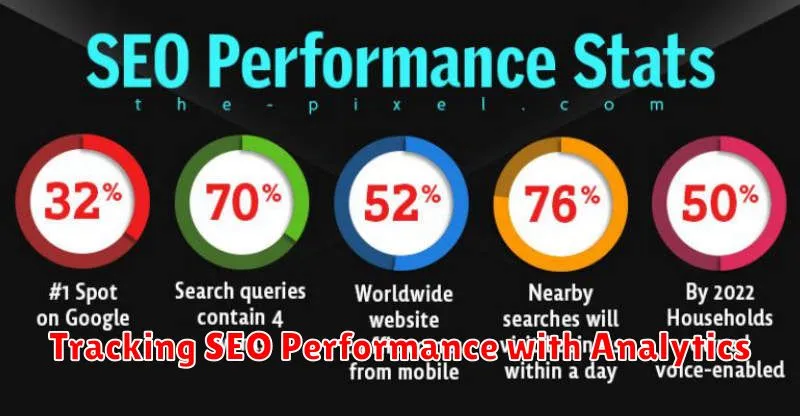
Effective SEO relies heavily on consistent performance tracking. Google Analytics provides crucial data for understanding website traffic and user behavior.
Key metrics to monitor include organic traffic, keyword rankings, bounce rate, average session duration, and conversion rates. Analyzing these reveals the success of your SEO strategies.
Google Search Console complements Analytics by offering insights into how Google views your site. This includes indexing status, crawl errors, and keyword performance in search results. Analyzing this data helps identify and rectify technical SEO issues.
Regularly reviewing this data allows for data-driven optimization. By identifying areas for improvement, you can refine your SEO strategy and achieve better search rankings.
Advanced analytics tools can provide even deeper insights into user behavior, allowing for a more nuanced understanding of what works and what doesn’t. This helps optimize content, improve user experience, and ultimately, boost your search engine rankings.
